Latest News
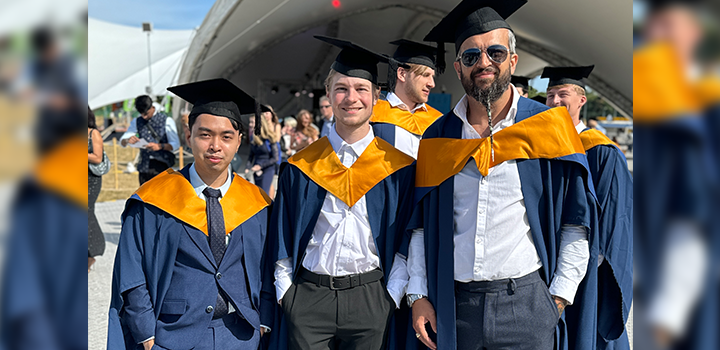
UEA graduates outperform sector in highly skilled employment
UEA graduates are outperforming the sector in securing highly skilled jobs, according to the latest Graduate Outcomes survey.
Read more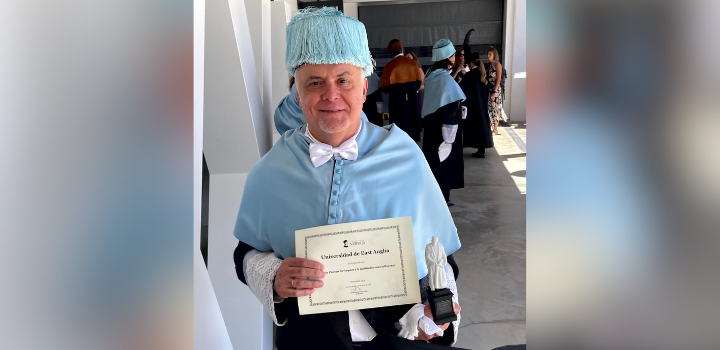
UEA’s student-led subtitling initiative wins international award
A student-led initiative at the University of East Anglia has received a prestigious international award for its work producing subtitles for charities and nonprofit organisations.
Read more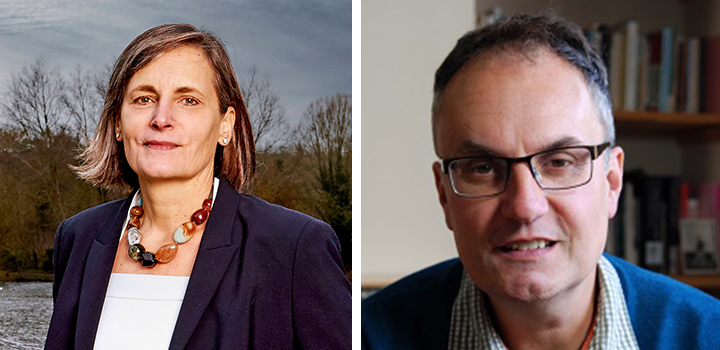
Leading climate scientist brings message of hope to Norwich stage
A globally-influential University of East Anglia (UEA) scientist will explore the solutions to climate change at a special Norwich Arts Centre event this month.
Read more
Student documentary maker wins national award at Royal Television Society Awards
Rithula Nisha’s film “Ghosts in the Machine – The invisible eyes of cybercrime” won the Royal Television Society Student Television Awards postgraduate journalism category.
Read more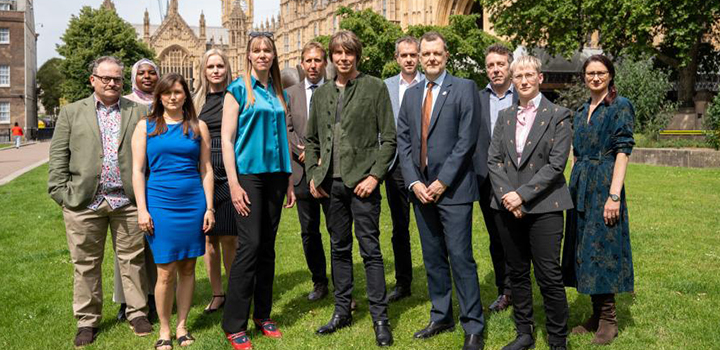
UEA scientist leads Westminster call for sustained investment in astrophysics
A space scientist from the University of East Anglia (UEA) joined forces with TV’s Brian Cox and MP Clive Lewis to campaign for continued investment in astrophysics at Westminster yesterday.
Read more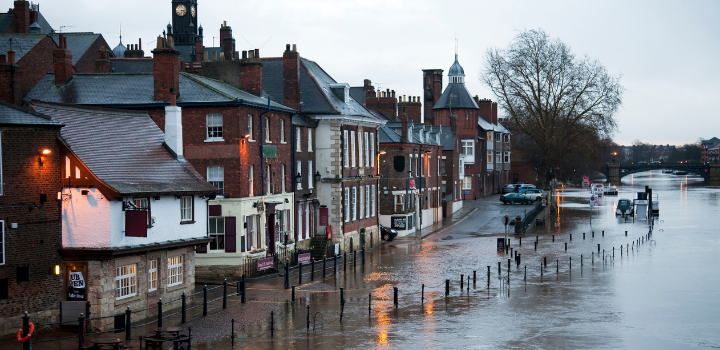
UK rivers face rising risk of climate ‘whiplash’
Climate change could push UK rivers to dangerous extremes and see more frequent rapid swings between wet and dry conditions – a phenomenon known as hydroclimatic whiplash – according to research led by the University of East Anglia (UEA).
Read more
Smell loss as devastating as Parkinson’s and stroke
University of East Anglia research reveals that smell loss can affect quality of life as severely as conditions including diabetes, stroke, Parkinson’s, and kidney failure.
Read more
Gypsy, Roma and Traveller storytelling inspires national literacy rollout
A University of East Anglia-developed literacy programme, inspired by Gypsy, Roma and Traveller storytelling, is being adopted by schools and organisations across England.
Read more
Social media ban will be ineffective and counterproductive, UEA expert says
A social media ban for young people announced by Kier Starmer today will be ineffective and counterproductive – according to a social media and education expert at the University of East Anglia.
Read more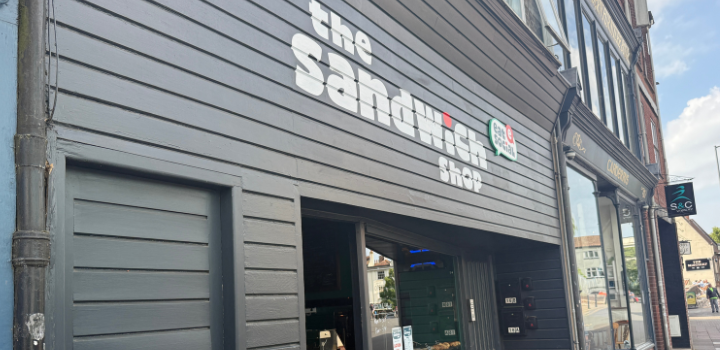
UEA nutrition research supports community food initiative in Norwich
A University of East Anglia (UEA) academic is translating the insights from nutrition research into real-world impact by supporting a Norwich-based social enterprise tackling food poverty.
Read more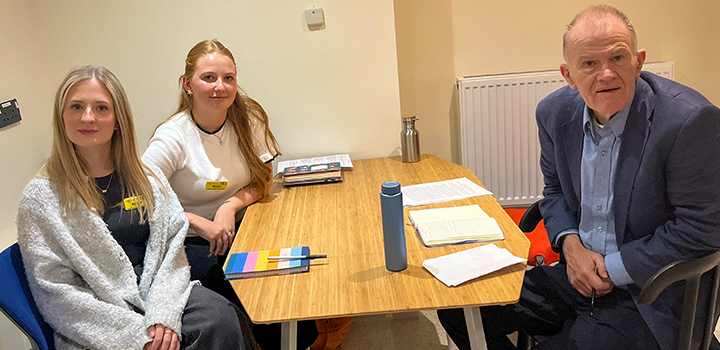
Student-led sessions boost region’s speech and language therapy support
People with conditions like Parkinson’s and stroke are benefitting from dedicated support sessions run by Speech and Language Therapy students at the University of East Anglia (UEA)
Read more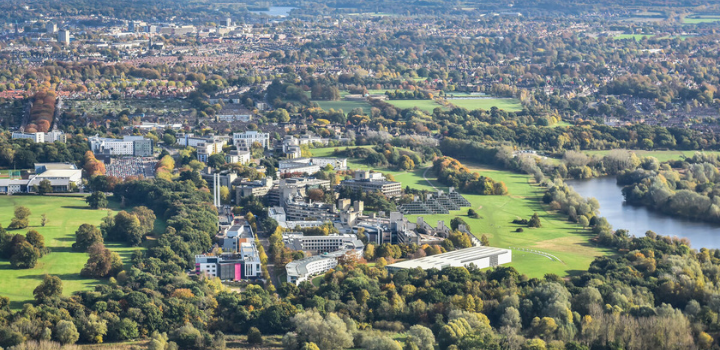
University welcomes ambitions to double investment into UK innovation
The University of East Anglia (UEA) has welcomed an ambition to double the external investment into innovation over the coming decade.
Read more