Social media ban will be ineffective and counterproductive, UEA expert says
By: Communications
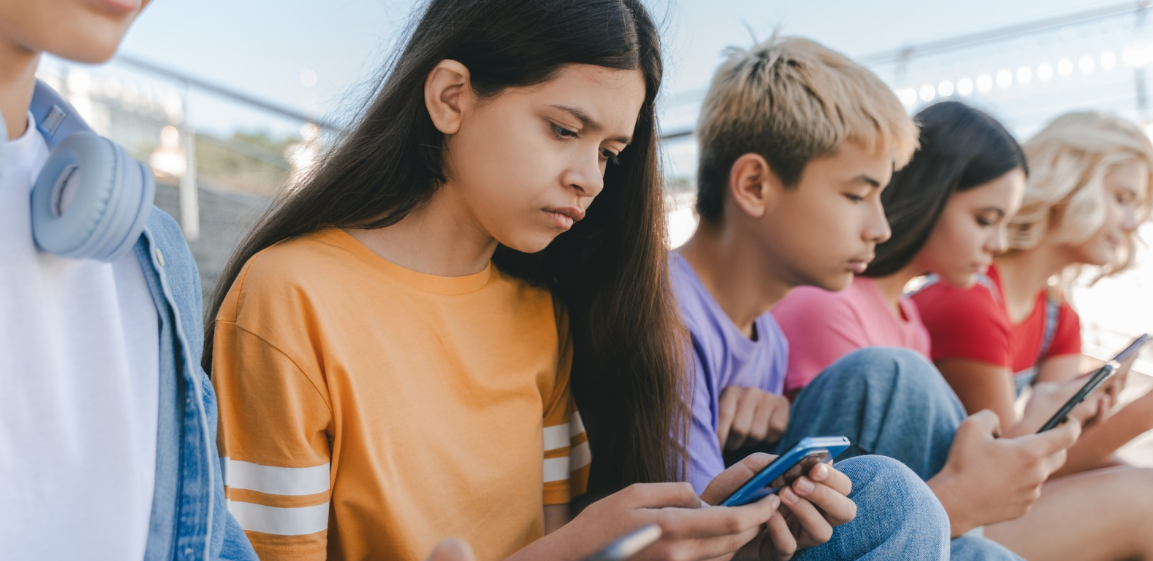
A social media ban for young people announced by Kier Starmer today will be ineffective and counterproductive – according to a social media and education expert at the University of East Anglia.
Associate Professor Dr Harry Dyer says that a ban won’t stop usage but will push young people toward riskier behaviours, while allowing platforms to avoid accountability.
He says that the policy overlooks how deeply digital spaces are embedded in young people’s lives and fails to address their rights. It may also hinder education and open discussion, leaving young people less supported.
Instead, stronger platform regulation, safety-by-design measures, and better digital literacy are needed.
Dr Harry Dyer, Associate Professor in Education at the School of Education and Lifelong Learning at UEA, said: “The announcement from Keir Starmer today regarding a social media ban for young people is a worrying step that will not only fail to address the risks young people face online, but will likely put them at further risk.
“It is also failing to protect young people from online harms and predatory social media companies which will be let off the hook for how they deal with the young people, who will continue to use these platforms regardless of a ban.
“This policy sounds like action, while guaranteeing inaction on the things young people in our research have told us actually matter to them. We absolutely need stronger protections for young people online.
“But a ban is the wrong tool for the job, and it doesn't do a good job of holding platforms accountable. The announcement of a ban for young people is essentially setting up a bouncer for a building that’s already on fire. Checking ID on the door isn’t going to put the fire out, and it’s going to do nothing to protect the people already inside.”
Research highlights complexity of young people’s digital environments
“In my first book, Designing the Social (2020), I explored at length just how difficult it is to define social media meaningfully, and how varied young people's engagement with platforms actually is.
“Children use collaborative Google Docs as social spaces, Minecraft servers, WhatsApp groups, Roblox chat, and fanfiction communities, and a range of other digital spaces to act and interact with others.
“Today’s ban targets a handful of platforms without grappling with the ways social media are woven into children's lives in complex ways beyond the ‘big’ platforms this ban addresses. Meanwhile young people continue to use digital spaces for a range of reasons, and need protections built in to help them navigate these spaces in ways that respect their rights and needs.
“We also know from emerging data coming out of Australia, who have enacted a similar social media ban for young people, that their ban has not effectively stopped young people using social media.
“Instead, young people are turning to VPNs, using fake accounts, fooling photo verification, and engaging in riskier practices to access these platforms. Data from Australia suggest as many as two thirds of young people are still using social media despite the ban, and that’s likely to continue to be the case here in the UK, suggesting that this won’t actually be effective in the task it sets out to accomplish.
“Meanwhile, the platforms are less incentivised to actually protect young people, who will still be there regardless. Rather than being required to build in safety features and being correctly regulated for the ways they process and store young people's data, this announcement of a ban is letting them off the hook and responsibilising young people for how they use digital spaces.”
A focus on children’s rights and platform responsibility
“The ban doesn’t take into account the need to address the rights of young people. What rights do children have to privacy, to education, to participation in digital life, to have their data handled responsibly? A response is needed that starts with a consideration of what the rights of the child are, and what we can do to better ensure platforms don’t violate these rights.
“We should be placing the responsibility on platforms to design safer systems for the young people who absolutely will continue trying to access them, even with a ban in place.
“Many of the features needed to protect the young people who are on these platforms will likely benefit all users, including clearer terms and conditions, better processing of data, restrictions of algorithmic recommendations, rights to privacy and removal, and legal standings to regulate and challenge platforms. Rather than regulating these companies to build in features that will benefit all of us, including young people, today’s announcement has let the platforms off the hook.
“This will likely also create implications for how easily young people feel they can talk to adults about what is happening online. The ban creates a legal minefield for schools, who will likely struggle to teach digital literacy in a meaningful way.”
Challenges in addressing digital experiences in schools
“Our recently completed UKRI-funded grant, exploring young people’s perspectives on AI in education, highlighted how education already struggles to addresses digital experiences of young people in inadequate ways.
“Current approaches towards talking about social media in schools are often detached from the actual experiences and needs of young people, and young people are left with a lot of questions.
“We found that young people really wanted to talk about the role of social media and technology in their lives, but had little avenues to do so.
“Young people will continue to be curious about social media, and this ban does nothing to help them navigate this curiosity.
“We know that abstinence approaches in sex education do little to protect curious young people, and can actually create a more harmful environment. This ban takes a similar approach, restricting young people without given them the educational tools to understand digital environments safely.
“This announcement of a ban will likely not help schools to address the needs of young people, who will have a lot of questions, but now will have less certainty about who they can turn to if something goes wrong.
“Schools and teachers will likely be uncertain about what they can actually say, so it’s also likely to cut off vital avenues for discussions. Teachers won't know what to say beyond language of the ban, and kids will feel they can't really talk to teachers. It's essentially cut off a vital lifeline for kids in the name of ‘safety’.
“What is needed are legal obligations on companies to build children's safety in from the ground up; serious investment in digital literacy education that meets young people where they actually are; and proper resources for parents who are currently left to navigate this alone.
“Stronger and clearer enforcement of the Online Safety Act, mandatory safety-by-design requirements for platforms, and a properly funded digital literacy curriculum would be a meaningful start, and more effective than a ban.
“Instead, we have landed on an abstinence approach that will not stop anything, and that leaves young people more exposed, less supported, and with fewer adults they can trust.”
Related Articles
A UK social media ban “the wrong tool for the job” say experts
Academics from the University of East Anglia (UEA) have warned of the risks of a ban on under 16s using social media, following the announcement today of a government consultation on introducing one in the UK.
Read more
Social media ban needs serious investment and support, UEA expert says
A social media ban for young people needs serious investment in support systems, not just a start date – according to a social media and education expert at the University of East Anglia.
Read more
New Meta safeguards shift burden to parents, UEA expert warns
New Meta measures may deepen inequalities by shifting responsibility onto parents and young people – according to an expert at the University of East Anglia.
Read more