Latest News

Electoral integrity under pressure as elections faced persistent threats in 2025
Elections across the world faced a wide range of pressures on electoral integrity in 2025, from violence and mis- and disinformation to electoral management malfunctions, cyber attacks and natural hazards, according to a new report.
Read more
Cultural leaders from Peru and Brazil bring climate justice and Indigenous rights campaign to Westminster
Indigenous women leaders and LGBTQIA+ campaigners from Peru and Brazil are in London this week as part of a University of East Anglia project using creative storytelling to drive climate justice and Indigenous rights advocacy.
Read more
Why choosing the next James Bond matters beyond cinema, according to UEA expert
Following World James Bond Day earlier this week, speculation is mounting over who will become the next James Bond, with names including Jack Lowden, Callum Turner and Aaron Taylor-Johnson linked to the iconic role.
Read more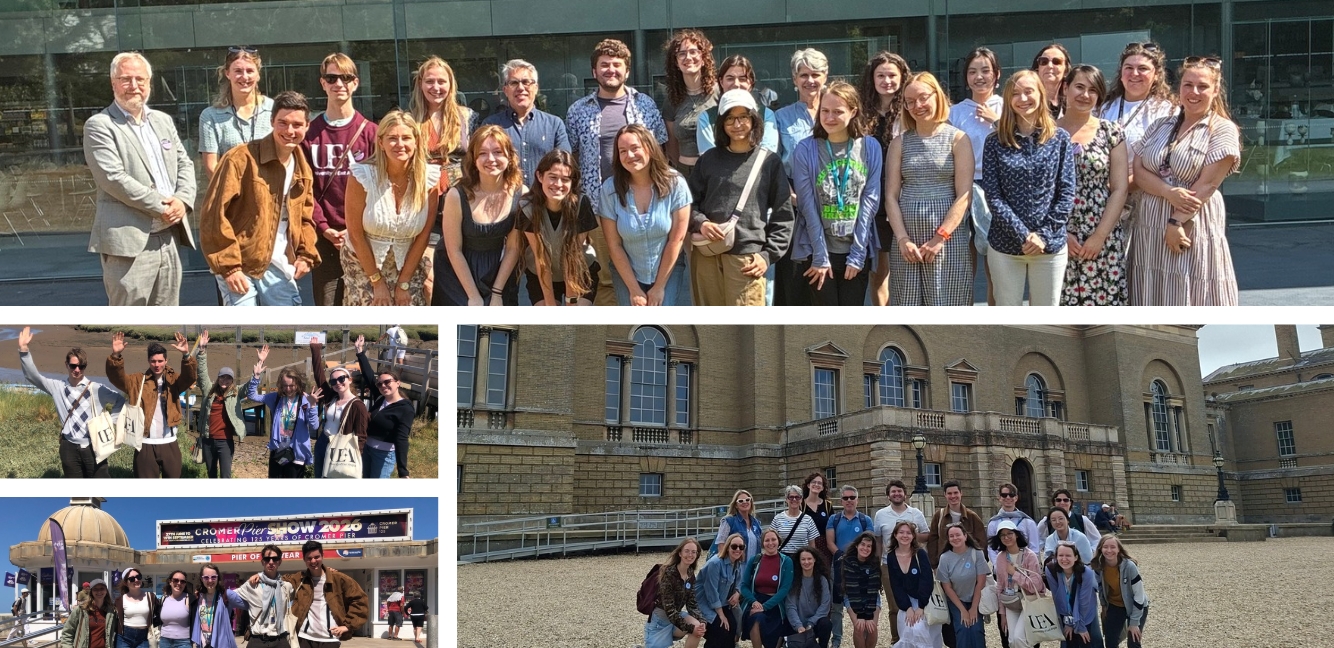
Applications open for UEA’s 2027 Creative Writing Summer School
Applications are now open for the 2027 Creative Writing Summer School at UEA, following the success of its inaugural programme this summer.
Read more
Stark male-female differences revealed in autoimmune diseases misdiagnosed as mental health conditions
Females with autoimmune diseases are more likely than males to report mental health misdiagnoses and face longer diagnostic delays, University of East Anglia and Cambridge research has found.
Read more
Scientists reaffirm ‘incontrovertible’ evidence of human influence on climate
The scientific evidence for human-caused global warming is stronger than ever, according to a major new review – despite a United States government report questioning the science.
Read more
UEA and Anglian Water strengthen commitment to innovation, sustainability and regional impact
The University of East Anglia and Anglian Water are reaffirming their shared commitment to tackling some of the region's most pressing environmental challenges.
Read more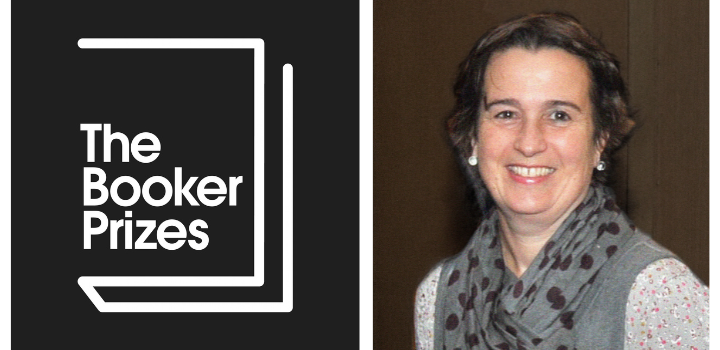
Booker Prize winners celebrate new UEA scholarship in honour of Eve Smith
The Booker Prize Foundation and the University of East Anglia announce new creative writing scholarship in the name of former BPF Company Secretary Eve Smith.
Read more
Major BFI Screen Heritage Fund investment secures future of nationally significant film archive in Norwich
£374,697 Resilience award will support relocation of the East Anglian Film Archive to UEA and safeguard more than 130 years of regional screen heritage.
Read more
Polar bears and persuasion take centre stage for TEDxUEA
From the science of selling a rock to a caveman to how polar bears respond to climate change – the University of East Anglia is set to host a celebration of big ideas next month.
Read more
UEA’s grant and funding success – September 2026
Discover the latest research and funding grant successes happening within the University of East Anglia.
Read more
Childhood experiences shape employment outcomes in India
Research led by the University of East Anglia (UEA) shows that childhood poverty, poor living conditions and gender can have lasting impacts on employment opportunities and earnings in India.
Read more