UEA research helping transform diagnosis of heart valve disease
By: Communications
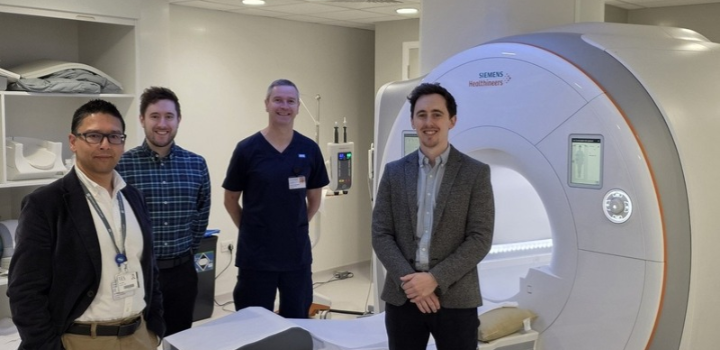
New heart imaging research involving academics from the University of East Anglia is helping transform the diagnosis of heart valve disease and attracting national attention.
More than 120 clinicians from across the UK, including Dr Pankaj Garg and Dr Alexander Gall from UEA’s Norwich Medical School, joined a recent British Society of Cardiovascular Magnetic Resonance webinar to learn how advanced 4D flow MRI technology is improving understanding of blood flow through the heart and supporting earlier diagnosis of cardiovascular conditions.
The webinar highlighted how researchers and clinicians in Norwich are using 4D flow imaging to improve the assessment of heart valve disease and translate imaging research into clinical practice.
The event also showcased Norwich's growing reputation as a centre for advanced cardiac imaging.
Patients at the Norfolk and Norwich University Hospital (NNUH) were among the first in the country to benefit from detailed 4D flow images of the heart.
Since 2021, around 1,500 patients have undergone the scans, helping clinicians better understand blood flow and pressure changes within the heart and identify valve disease earlier.
Dr Garg said the webinar has led to the team advising other hospitals in the country after successfully establishing 4D imaging at the NNUH.
“We are leading the way in Norwich with specialists in 4D imaging at NNUH, which is being recognised locally, regionally and nationally, as well as dedicated cardiac imaging at the Community Diagnostic Centre (CDC) and we have radiographers trained in advanced cardiac imaging techniques, including 4D Flow MRI.
“We have cut the average length of a scan down to between eight and 10 minutes and now have access to huge data sets... ultrasounds didn’t give us a map of pressures in the heart and we have not been able to this level of imaging and the pressure flows in the heart before.”
Dr Garg and Dr Gall joined MRI Radiographer Kurian Thampi to discuss how 4D flow imaging is transforming the assessment of valvular heart disease and to outline the techniques required to acquire and interpret high-quality imaging data.
The work highlights the collaboration between UEA researchers and NNUH clinicians, helping establish Norwich as a leading centre for cardiac imaging innovation and supporting improvements in patient care.
Thinking about studying at UEA?
Discover our award-winning campus, meet current students and staff, and find out what life at UEA is really like at our upcoming Undergraduate Open Day:
Saturday 28 November 2026
Related Articles
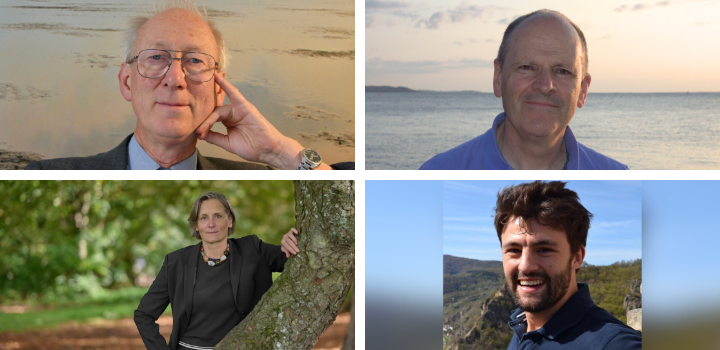
Four UEA researchers recognised among the world's most influential scientists
Four academics from the University of East Anglia have been named in the 2026 Highly Cited Researchers list, recognising their impact on global research.
Read more
Childhood cancers may spread by 'shape-shifting' rather than mutating
Researchers at the University of East Anglia have proposed an explanation for why some childhood tumours spread aggressively around the body despite having relatively few genetic faults.
Read more
UEA ranked among UK’s top 25 universities for research
World-leading research, internationally recognised experts and rising academic stars have helped secure the University of East Anglia 25th place among UK universities for research.
Read more