Public Health enters top 100 as multiple courses rise in ShanghaiRanking’s Global Ranking of Academic Subjects 2025
By: Communications
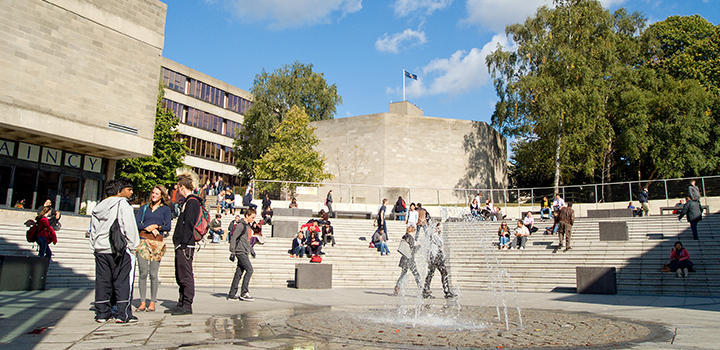
Public Health enters the global top 100 as UEA secures strong positions across multiple subjects in ShanghaiRanking’s widely respected academic rankings.
Home to world-leading public health experts such as Prof Paul Hunter, UEA’s success in this area underscores its commitment to addressing issues that matter most to society. The news comes at a pivotal moment following the launch of the MSc Global Public Health, which welcomed its first cohort in September.
Other notable achievements include Economics rising into the top 200, top 75 placements for Oceanography and Atmospherice Sciences, Biological Sciences maintaining a top 150 ranking, and Earth Sciences, Geography, Environmental Sciences, and Engineering continuing to rank within the global top 200.
Prof David Maguire, Vice Chancellor of UEA, said: "ShanghaiRanking’s Global Ranking of Academic Subjects is a respected measure of global reach and excellence, and we are proud of UEA’s progress in it this year.
“Public Health entering the global top 100 is a major achievement, with our new MSc Global Public Health evidencing our ambition in that area.
“These results highlight UEA’s growing influence across disciplines that can have major impacts on society, both here and around the world."
ShanghaiRanking’s Global Ranking of Academic Subjects is one of the most respected international benchmarks for subject-specific excellence, focusing on disciplines rather than overall institutional performance.
Covering more than 60 disciplines across five major fields, it evaluates around 2,000 universities worldwide using a rigorous methodology based on objective indicators such as international collaboration, research output, and research impact.
Related Articles
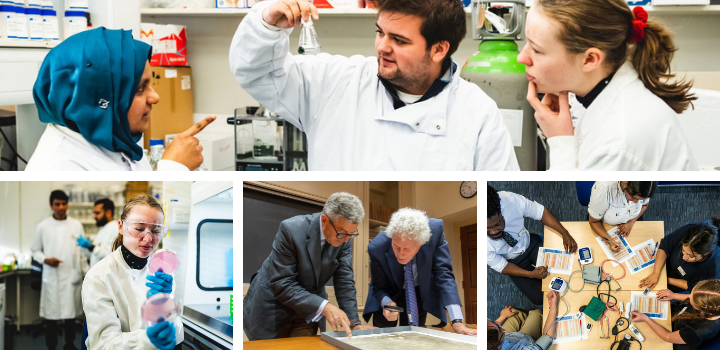
UEA among global elite for research collaboration
The University of East Anglia has been recognised as one of the best in the world for research collaboration in a major new ranking.
Read more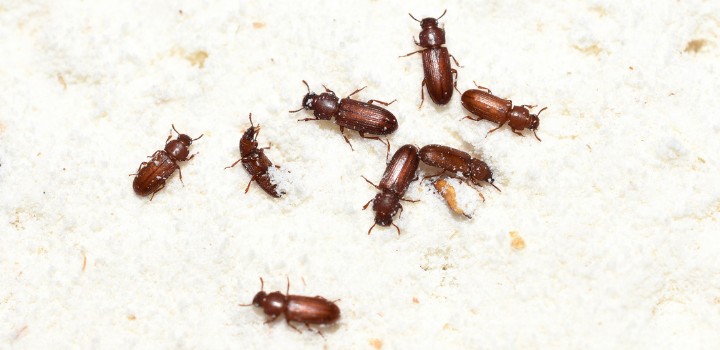
How sex can help save species from extinction
Giving females multiple males to mate with, rather than just one, could help make species more resistant to extinction – University of East Anglia research shows.
Read more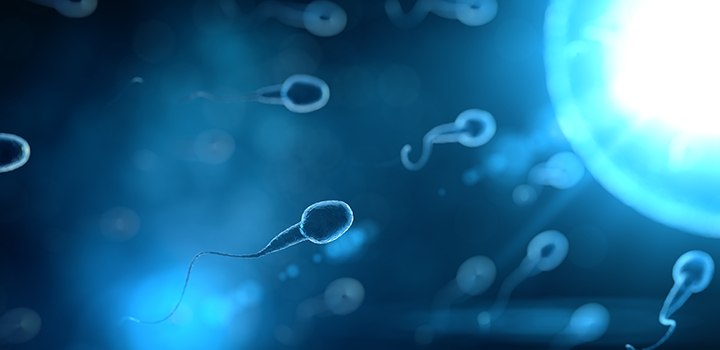
UEA scientists develop ‘first of its kind’ home fertility test as global sperm counts plummet
University of East Anglia scientists have developed the first rapid at-home sperm test paired with a mobile app for personalised fertility advice.
Read more