From discovery to digital: the Gloucester story continues
)
Many of you will remember the moment the story of the Gloucester first captured our imaginations.
From exhibition openings to public talks, your enthusiasm and support helped bring this extraordinary piece of Norfolk’s history into the spotlight. Now, we are pleased to share the next chapter in that journey – one that takes the story out of the museum and into the streets of Great Yarmouth.
A Remarkable Discovery
The story begins underwater.
In 2007, Norfolk divers Julian and Lincoln Barnwell, alongside James ‘Tiny’ Little, discovered the wreck of the Gloucester off the coast of Great Yarmouth. For years, the find remained carefully protected while its significance was studied.
UEA researchers began working on the wreck in 2019, uncovering its historical importance – a warship that sank in 1682 while carrying the future King James II. The discovery was publicly announced in 2022, capturing national attention and revealing a dramatic moment in British history that had long been hidden beneath the sea.
Sharing the Story: The Exhibition
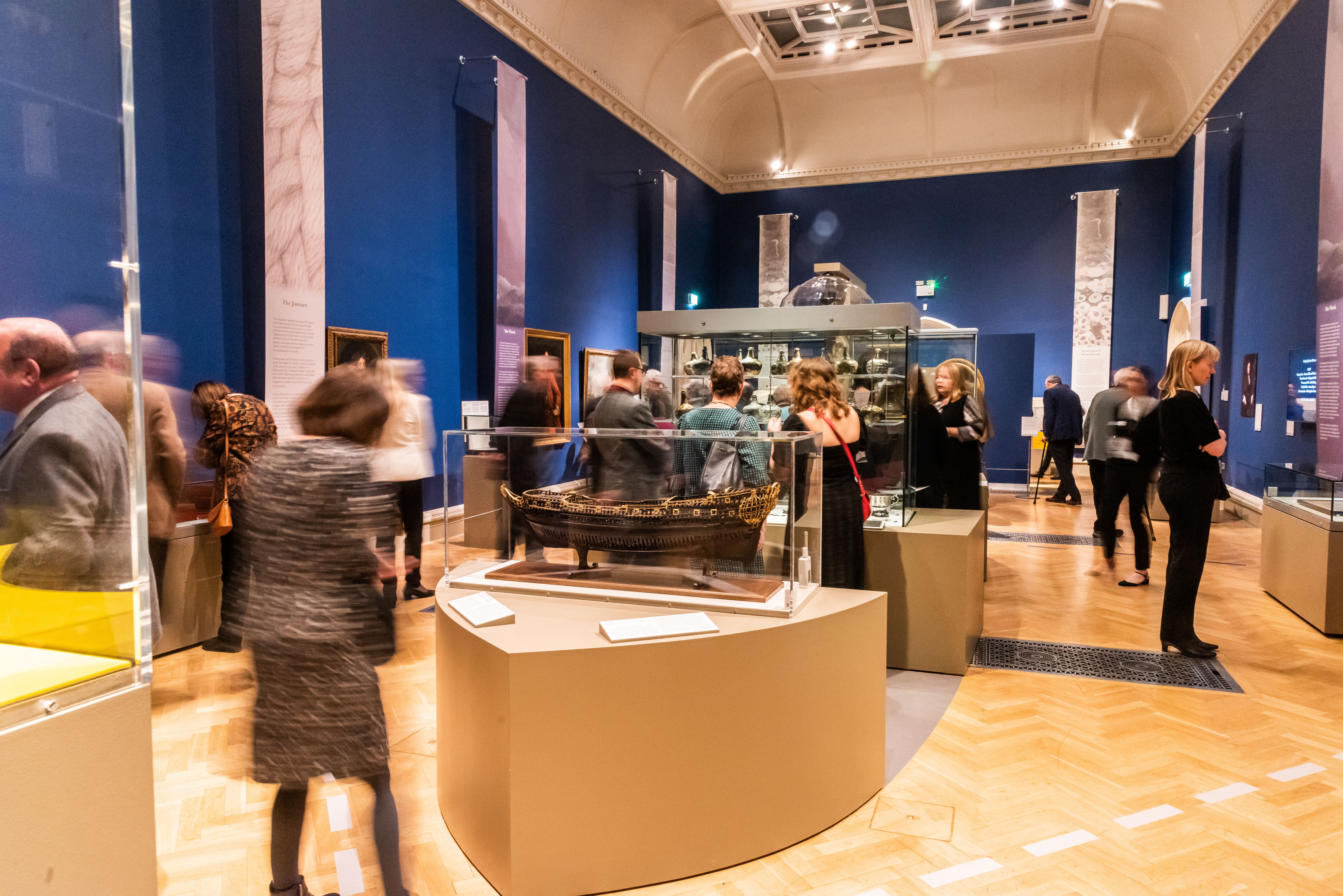
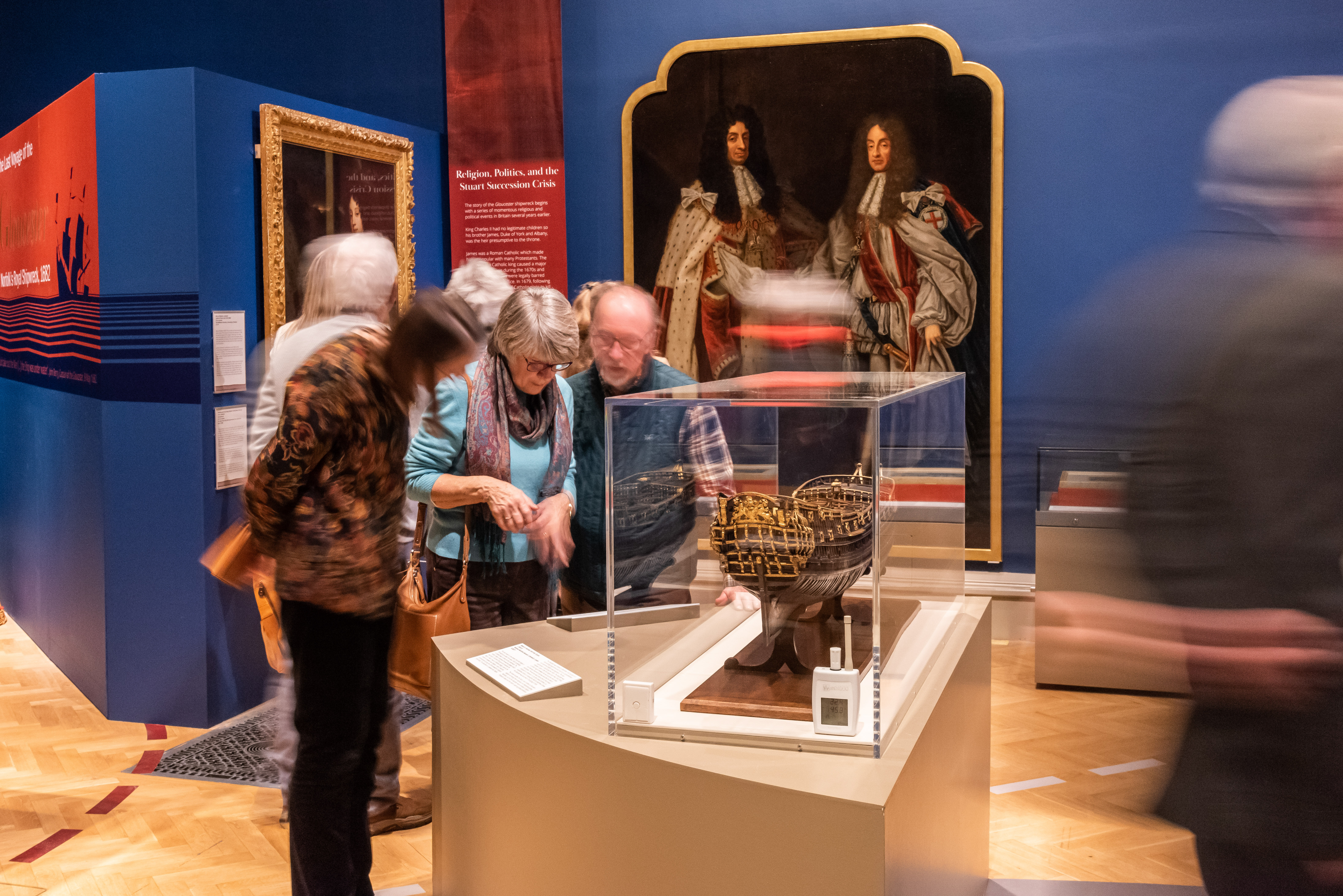
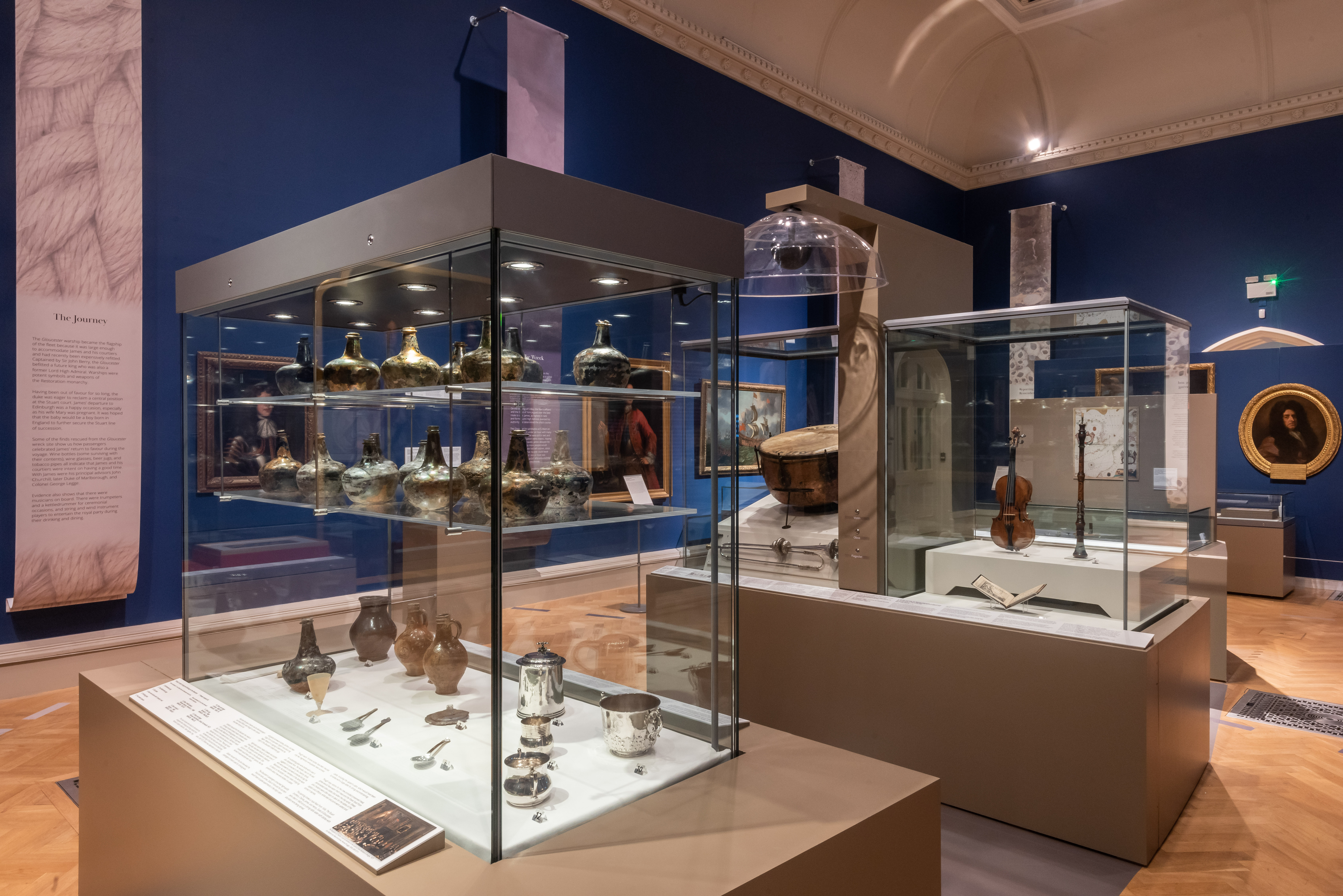
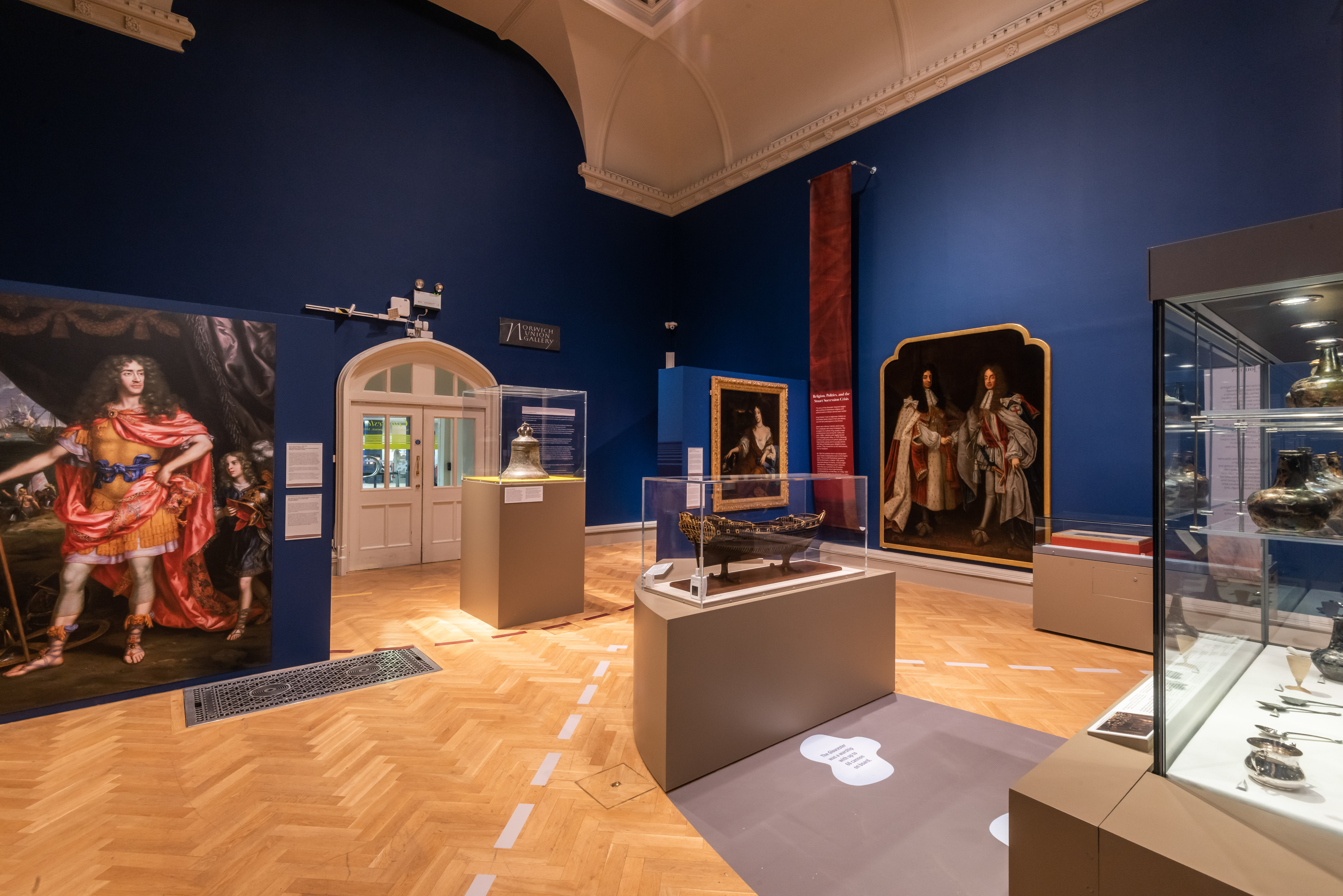
Many in our donor and supporter community were part of the next milestone – the landmark exhibition at Norwich Castle Museum & Art Gallery, delivered in partnership with Norfolk Museums Service.
The Last Voyage of the Gloucester: Norfolk’s Royal Shipwreck, 1682 brought together artefacts recovered from the seabed with cutting-edge research from UEA historians, Professor Claire Jowitt and Dr Benjamin Redding. It told a powerful story not only of the royal survival, but of loss, recovery, and the people connected to the ship.
Your presence at the launch, talks, and events demonstrated the vital role that engaged audiences and supporters play in bringing research to life.
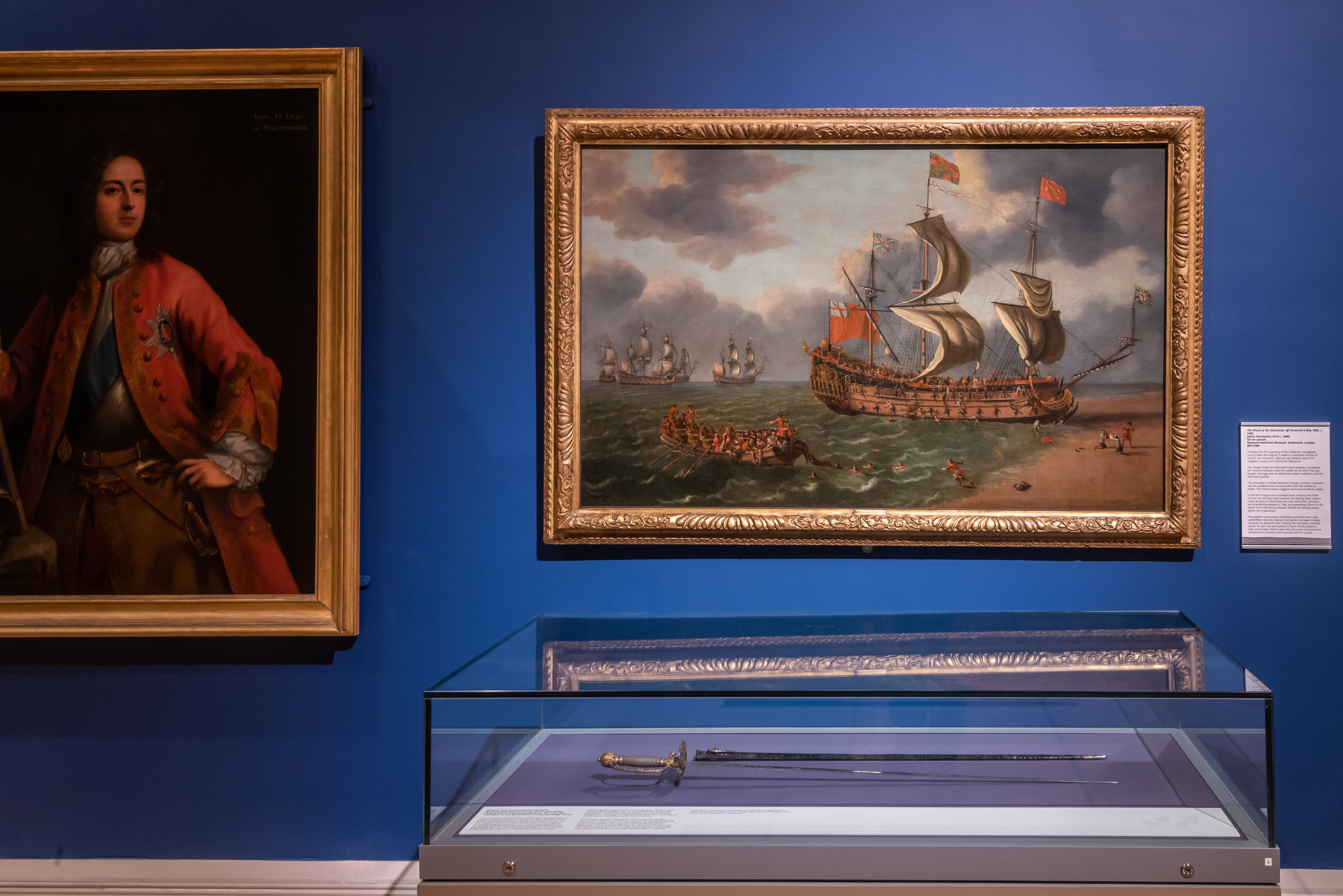
Taking History to the Streets
Now, thanks to a £249,776 award from The National Lottery Heritage Fund and The National Lottery Players, UEA and its partners are building on that momentum with a new public-facing initiative in Great Yarmouth.
Led by Professor Claire Jowitt and Dr Benjamin Redding, this project will:
Create guided and self-guided maritime heritage walks
Introduce Great Yarmouth’s first augmented reality (AR) trails
Reimagine 17th-century streets, buildings, and waterfronts
Share the stories of local people connected to the shipwreck
)
For the first time, visitors will be able to walk through modern Great Yarmouth while experiencing layers of its past – seeing lost buildings rise again and key historical moments unfold through digital storytelling.
As Professor Jowitt describes it:
“Digital storytelling using augmented reality will allow participants on the heritage walks to feel like they are time travelling to the town’s distinguished maritime past.”
)
Reclaiming Great Yarmouth’s Place in the Story
While the Gloucester has often been viewed through a national lens, this project places Great Yarmouth back at the centre of events.
At the time of the shipwreck, the town was one of England’s most important ports. Yet its role, from hosting the Duke of York shortly before the disaster to leading the salvage efforts afterwards, has remained relatively little known.
Through these new heritage walks, that story will be reclaimed and shared more widely.
Local figures such as Sir Thomas Medowe, the town’s bailiff in 1682, will once again take their place in history – not as footnotes, but as central characters in a story of crisis, response, and resilience.
A Shared Journey
As with the exhibition, collaboration is at the heart of this project.
UEA is working in partnership with:
Time & Tide Museum of Great Yarmouth Life operated by the Norfolk Museums Service
Great Yarmouth Borough Council
The Gloucester 1682 Trust
Together, they are ensuring that this work is rooted in community, shaped by local voices, and accessible to audiences of all ages.