Latest News

How the eyes could unlock personalised pain relief with virtual reality
Combining artificial intelligence (AI) with eye tracking in virtual reality could one day help personalise treatment for millions living with chronic pain, according to world-first research from the University of East Anglia.
Read more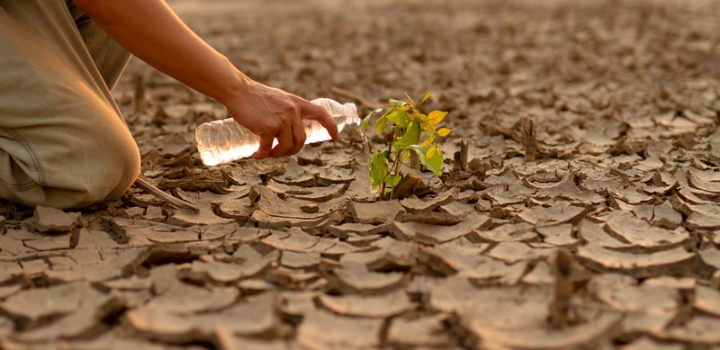
New guide puts Indigenous Peoples, local communities and rights at the heart of ecosystem restoration
A major new report outlines how experts can better place Indigenous Peoples and local communities at the heart of decision-making in ecosystem restoration efforts.
Read more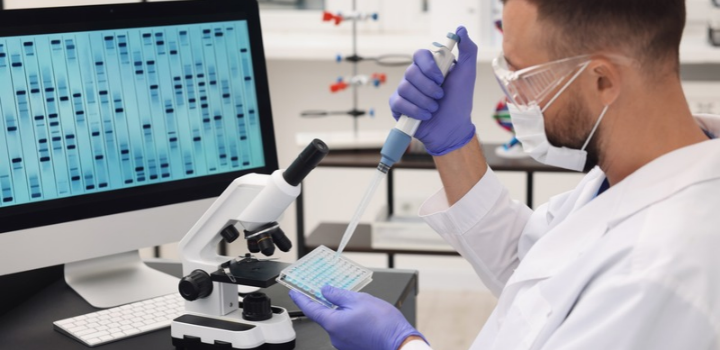
‘Hiding in plain sight’ – new bacteria discovered in DNA samples from prostate cancer patients
University of East Anglia researchers have discovered the genetic blueprints of 18 new bacterial species collected from prostate cancer patients.
Read more
New study reveals phone-free holiday can provide wellbeing reset
Research from the University of East Anglia has revealed that digital-detox trips can help people slow down, reconnect with their surroundings and reassess their relationship with technology.
Read more
Israeli election could test democratic norms, says UEA expert
As Israel prepares for a potentially pivotal election on 27 October, a political expert at the UEA discusses what the result could mean for Benjamin Netanyahu, Israeli democracy and the wider rise of populist politics around the world.
Read more
From clinical trials to cancer care – UEA showcases pharmacy innovations transforming the NHS
Researchers, healthcare professionals and sector leaders from across the UK will come together in London later this month to showcase new approaches to improve patient care, strengthen the NHS workforce and accelerate research.
Read more
UEA expertise represented at key Westminster events
University of East Anglia researchers and partners helped bring global perspectives into national policy discussions this month, from conversations with Indigenous leaders to evidence given before MPs.
Read more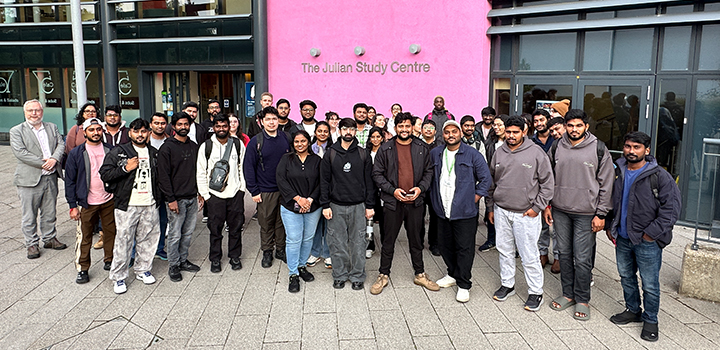
UEA Master's students begin industry placement preparation
More than 150 postgraduate students gathered on campus this week for the first workshop supporting the University of East Anglia’s new Master's degrees with a placement year.
Read more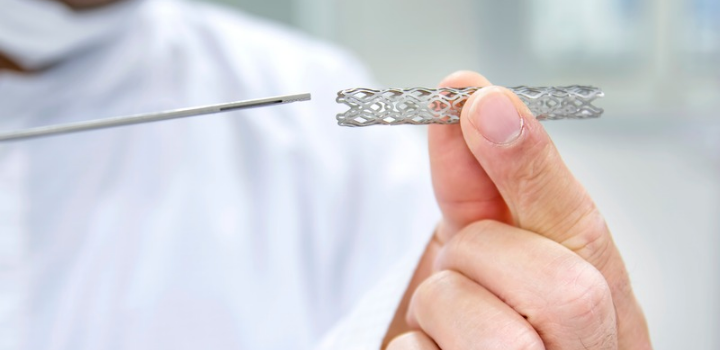
Thousands of heart patients could avoid permanent stents
Thousands of heart patients could be treated without having a metal stent permanently implanted in their arteries – according to research from the University of East Anglia.
Read more
Climate change and security threats leave UK food supply at risk, expert warns MPs
The UK must move beyond prioritising efficient and low-cost food supply chains and build resilience for an era of increasing disruption, according to an expert at the University of East Anglia.
Read more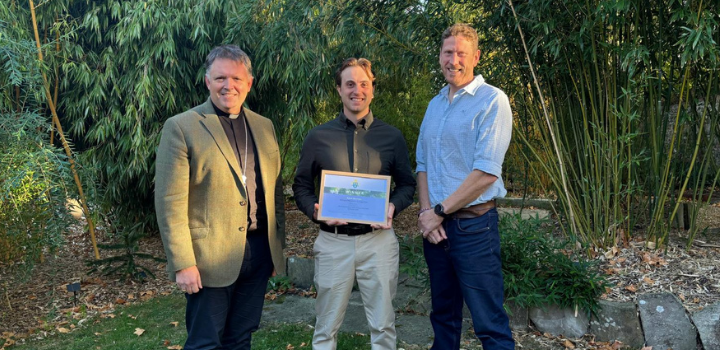
Annual Bishop of Norwich Prize for Ecology awarded to UEA graduate
University of East Anglia (UEA) master’s graduate, Adam Bourton, has won the 2026 prize for his conservation work with beach-nesting birds in North Norfolk.
Read more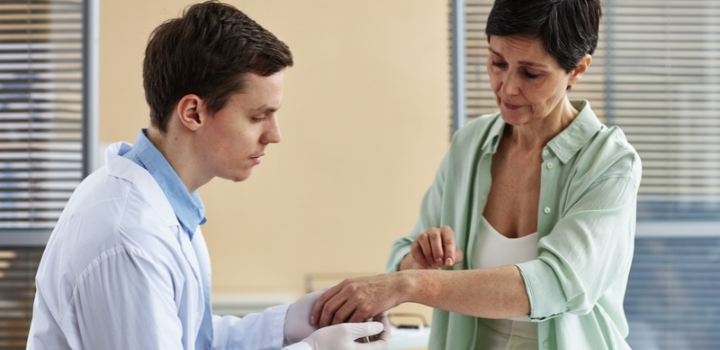
Stark male-female differences revealed in autoimmune diseases misdiagnosed as mental health conditions
Females with autoimmune diseases are more likely than males to report mental health misdiagnoses and face longer diagnostic delays, University of East Anglia and Cambridge research has found.
Read more