UEA academic named as National Medical Director in the NHS in England
By: Communications

Prof Frankie Swords from Norwich Medical School has been named as the new National Medical Director for the Department of Health and Social Care and NHS England.
Prof Swords is also the Executive Medical Director at NHS Norfolk and Suffolk Integrated Care Board (ICB).
The new appointment means that Prof Swords will become the most senior doctor in the NHS in England, taking responsibility for the direction of health and social care.
Commenting on her appointment, Prof Swords said: “I am incredibly honoured to be appointed as National Medical Director.
“It has been a privilege to work alongside colleagues across Norfolk, Suffolk and north east Essex, and to support improvements in care for local people and communities.
“I am looking forward to taking on this role and continuing to champion high-quality, compassionate and evidence-based care for patients across England.”
Ed Garratt OBE said: “I am delighted for Frankie and extremely proud of her achievement.
“She is a highly respected clinician who brings vast experience, insight and leadership, all of which will be essential in such a high-profile national role.
“The fact that Frankie has spent a significant part of her career in Norfolk and Suffolk makes her appointment especially pleasing for our local system.
“I know she will make a huge success of this position, and I wish her every success.”
Prof Philip Baker, Pro-Vice-Chancellor (PVC) for the Faculty of Medicine and Health Sciences, said: “I’m delighted that Prof Swords has been recognised with this outstanding appointment.
“She is an exceptional leader whose commitment to high-quality and compassionate care has had a significant impact both locally and nationally.
“I have no doubt she will make a significant and positive difference to health and social care across England, and her achievement is a source of great pride for Norwich Medical School and the wider University community.”
Prof Swords will begin her new role in June.
Related Articles

From clinical trials to cancer care – UEA showcases pharmacy innovations transforming the NHS
Researchers, healthcare professionals and sector leaders from across the UK will come together in London later this month to showcase new approaches to improve patient care, strengthen the NHS workforce and accelerate research.
Read more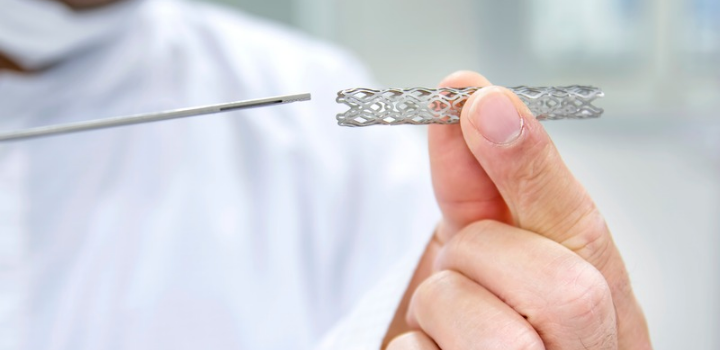
Thousands of heart patients could avoid permanent stents
Thousands of heart patients could be treated without having a metal stent permanently implanted in their arteries – according to research from the University of East Anglia.
Read more
Stark male-female differences revealed in autoimmune diseases misdiagnosed as mental health conditions
Females with autoimmune diseases are more likely than males to report mental health misdiagnoses and face longer diagnostic delays, University of East Anglia and Cambridge research has found.
Read more