"We're all Scrooge now": What the Victorians still have to teach us about Christmas
By: Communications
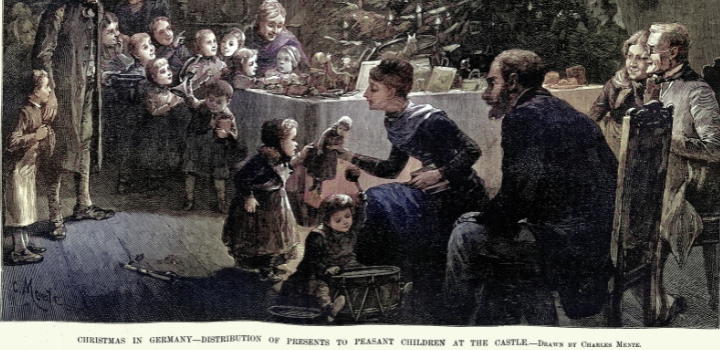
With the cost-of-living squeezing households and charitable giving in decline, a University of East Anglia (UEA) expert says we could all learn a thing or two from the Victorians.
Prof Thomas Ruys Smith from the School of Politics, Philosophy and Area Studies has researched the social and cultural history of Christmas, Victorian literature, history and culture, the origins of Santa, and children's literature.
He says that “we’re all a bit more Scrooge now” - at least when measured against “the generosity that defined the Victorians’ Christmas past”.
Prof Thomas Ruys Smith, Professor of Literature and Culture at the University of East Anglia, said: “The Victorians understood something we’ve almost forgotten, Christmas isn’t just about celebration, it’s about compassion. Amidst the lavish feasts and festive cheer, they wove charity into the very fabric of the season.
“Today, with the cost-of-living crisis squeezing households and charitable giving in decline, that spirit feels more urgent than ever. If we want Christmas to mean more than consumerism, we need to revive the generosity that defined the Victorians’ Christmas past and make giving a tradition worth keeping.”
Charitable giving is in decline, with a Charities Aid Foundation report revealing a startling drop from 58 per cent of UK adults giving in 2019 to just 50 per cent in 2024.
"Victorian Britain turned Christmas into a season of charity, blending faith with social responsibility. Boxing Day became central to this tradition, with employers giving servants and the poor boxes of food, money, and gifts - a custom rooted in church alms.
"Public feasts of roast beef and plum pudding for the destitute reinforced the idea that festive abundance should be shared. Churches collected donations throughout December, distributing them on St Stephen’s Day, while charities provided warm clothing and coal to help families survive winter.
“By embedding philanthropy into Christmas traditions, Victorians shifted the festival from a purely religious observance to a broader social ethic, laying the groundwork for modern charitable practices.
“Though that Victorian spirit of giving feels more urgent than ever, you could argue we’re all a bit more Scrooge now,” said Prof Smith.
“If we want Christmas to mean more than consumerism, we must revive the spirit of generosity,” he added.
Related Articles
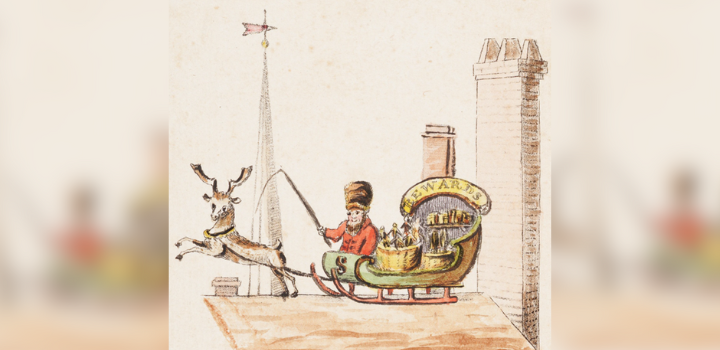
Q&A with Prof Thomas Ruys Smith: The legend of Santa Claus
Where did the legend of Santa Claus come from? An academic from the University of East Anglia (UEA) answered some questions on how the festive figure came to be.
Read more
Booker Prize winners celebrate new UEA scholarship in honour of Eve Smith
The Booker Prize Foundation and the University of East Anglia announce new creative writing scholarship in the name of former BPF Company Secretary Eve Smith.
Read more
UEA academic serves as historical consultant for new BBC Radio 4 series
A leading University of East Anglia (UEA) historian has contributed expert analysis to a major new BBC Radio 4 series presented by broadcaster David Dimbleby.
Read more