Stark male-female differences revealed in autoimmune diseases misdiagnosed as mental health conditions
By: Communications
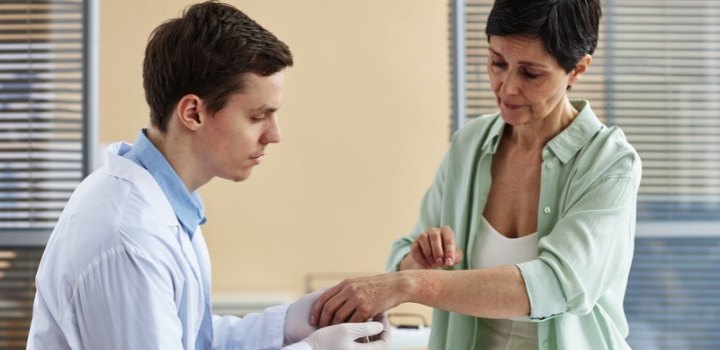
Females with autoimmune diseases are more likely than males to report mental health misdiagnoses and face longer diagnostic delays, University of East Anglia and Cambridge research has found.
A study of more than 6,600 patients living with autoimmune diseases found females were almost 50 per cent more likely than males to report having received a psychiatric misdiagnosis.
Females were also nearly 75 per cent more likely to report a psychosomatic misdiagnosis, where physical symptoms are attributed to psychological causes rather than an underlying physical illness.
These differences remained after accounting for factors including age, disease group and household finances.
The research also found marked differences in reported time to diagnosis. For males, the most commonly reported timeframe between symptom onset and diagnosis was less than three months, compared with one to two years for females.
What are autoimmune diseases?
Autoimmune diseases occur when the immune system mistakenly attacks the body's own tissues. Many autoimmune diseases are more common in females.
Diagnosis can be challenging because many autoimmune diseases initially cause symptoms such as fatigue, pain, sleep disturbance or low mood, which are common in the general population. Symptoms can also affect multiple parts of the body and change over time.
The research was co-designed with patients, charities and clinicians and uncovers important parts of the diagnostic journey that are often not recorded in medical records.
Dr Melanie Sloan, from UEA's Norwich Medical School and the Department of Public Health and Primary Care at the University of Cambridge, said: "Patients with autoimmune diseases can present with symptoms that can be difficult to explain medically, and sometimes it can take months or years before a diagnosis becomes clear.
"Our findings highlight that psychological or mental health explanations can be given too soon. This is true for both sexes, but our study suggests that females may be particularly vulnerable to these types of misdiagnoses."
Listening to patients
Unlike studies based solely on medical records, the research captured patients' own accounts of their diagnostic journeys, including symptom onset, healthcare consultations and diagnoses received before their autoimmune condition was identified.
The researchers say patient perspectives are particularly important in diseases where symptoms may not be easily visible or where there is no definitive diagnostic test.
Improving diagnosis
The study found that females reported longer diagnostic journeys, more healthcare consultations before diagnosis, and higher rates of psychiatric and psychosomatic misdiagnoses than males.
Researchers say the findings highlight the need for healthcare professionals to consider autoimmune diseases before attributing symptoms to mental health or psychosomatic causes, particularly when symptoms persist, evolve or affect multiple parts of the body.
The high rates of reported psychiatric, psychosomatic and alternative physical misdiagnoses among both sexes reflect the difficulty of diagnosing autoimmune diseases, especially those which have few visible signs or results that show in blood tests.
Dr Sloan said: "Ultimately, we need to understand why these differences occur before we can design effective solutions. Our next step is exploring the experiences and voices behind these numbers and work with patients and clinicians to identify ways of reducing diagnostic delays and improving care.
"Listening to and valuing people's accounts and views should always be part of research and the diagnostic process."
The study was funded by The Lupus Trust, Vasculitis UK, Sjögren's UK, Lupus UK and SRUK.
'Sex and disease differences in patients' diagnostic experiences in autoimmune diseases: an international cross-sectional study' is published today in The Lancet's eClinicalMedicine.
Thinking about studying at UEA?
Discover our award-winning campus, meet current students and staff, and find out what life at UEA is really like at one of our upcoming Undergraduate Open Days:
Saturday 24 October 2026
Saturday 28 November 2026
Related Articles
UEA subjects among UK best in student-focused league tables
The University of East Anglia has climbed to the top of a new league table for a variety of subjects – with Norwich named the nation's leading university city.
Read more
UEA secures share of £90 million to train next generation of medical researchers
The University of East Anglia will help train a new generation of researchers to tackle some of the biggest challenges facing human health – thanks to funding from the Medical Research Council (MRC).
Read more
ADHD diagnosis gap for girls from immigrant backgrounds
Girls from multilingual and immigrant families could be missing out on ADHD support - according to new research from the University of East Anglia.
Read more