New Sainsbury Centre season explores human existence with ‘What is the Meaning of Life?’
By: Communications
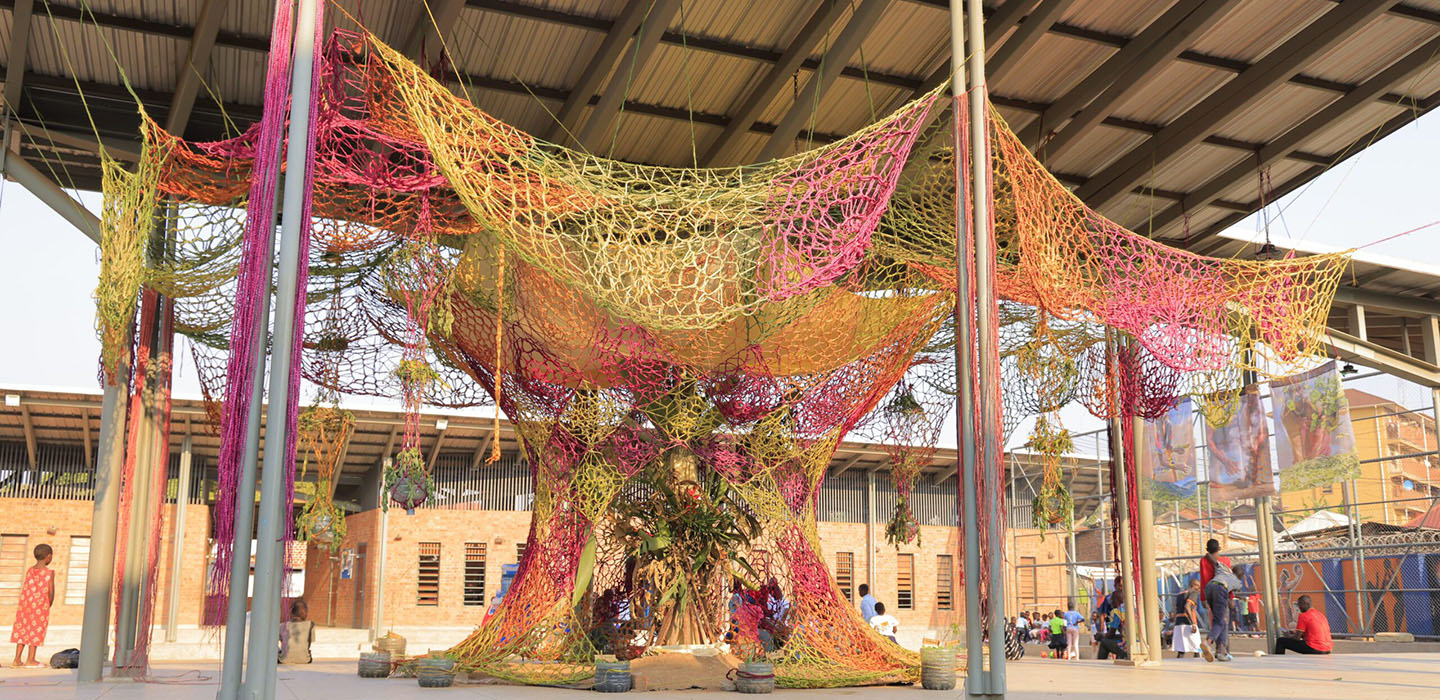
A new season examining the fundamental questions of human existence will be launching at the Sainsbury Centre this May.
‘What is the Meaning of Life?’ will continue the Centre’s innovative series of investigative exhibitions for 2026, by exploring concepts such as rule-making, time and play.
Exhibition tickets operate on a Pay Only If and What You Can basis, so you can choose the price from free through to full membership. A Universal Ticket grants access to the permanent collection, Lower and Mezzanine Galleries, and Sculpture Park.
Learn more about the concurrent Sainsbury Centre exhibitions for the ‘What is the Meaning of Life?’ season:
Living by the Rule: Contemporary meets Medieval
16 May to 4 October 2026
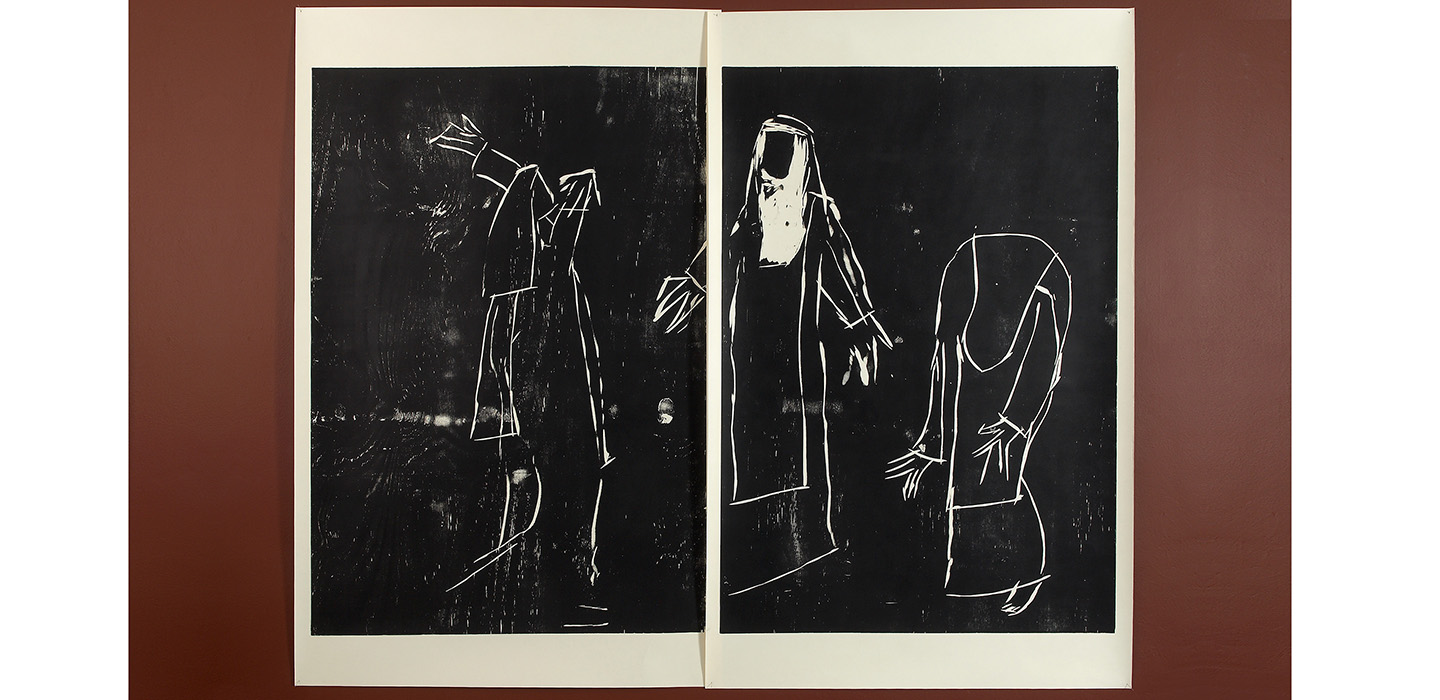 Image: Andrea Büttner, Dancing Nuns, 2007, woodcut on paper, 180 x 113 cm. All images courtesy of Hollybush Gardens, London; David Kordansky Gallery, Los Angeles; Galerie Tschudi, Zuoz, and JanMot, Brussels © Andrea Büttner / VG Bild-Kunst, Bonn 2025.
Exploring the idea of routine and regulation, this exhibition reflects on the ‘rules’ that we live by today, through a dialogue between medieval experiments in a different way to live, and modern reflections upon how life is (and might yet be) organised.
Taking the Rule of St Benedict as its starting point, written in the 6th century, as a typical example of a guide for communal living, this exhibition brings together extraordinary objects from medieval monastic contexts:
The Hatton Codex, the earliest copy of the Rule of St Benedict in the world, made in c. 700 AD
The Etheldreda Panels – one of only a handful of English medieval paintings to have survived the Reformation
The Ormesby and Macclesfield psalters, the most important illuminated manuscripts of the 14th century – with contemporary works by artists including Andrea Büttner, Tacita Dean, Ingrid Pollard, Elizabeth Price and Lucy Skaer.
‘Living by the Rule: Contemporary meets Medieval’ is curated by Dr Jessica Barker FSA, Senior Lecturer in Medieval Art History at The Courtauld, and Dr Ed Krčma, Associate Professor of Art History at UEA. They said:
“We are excited to bring together such extraordinary objects from the Middle Ages and works from some of the most important artists working today. We hope that this strange collision between two very different worlds will open up new perspectives on how we live now, and fresh ideas about how we might craft more balanced and meaningful lives in the future.”
Play Power
16 May to 4 October 2026
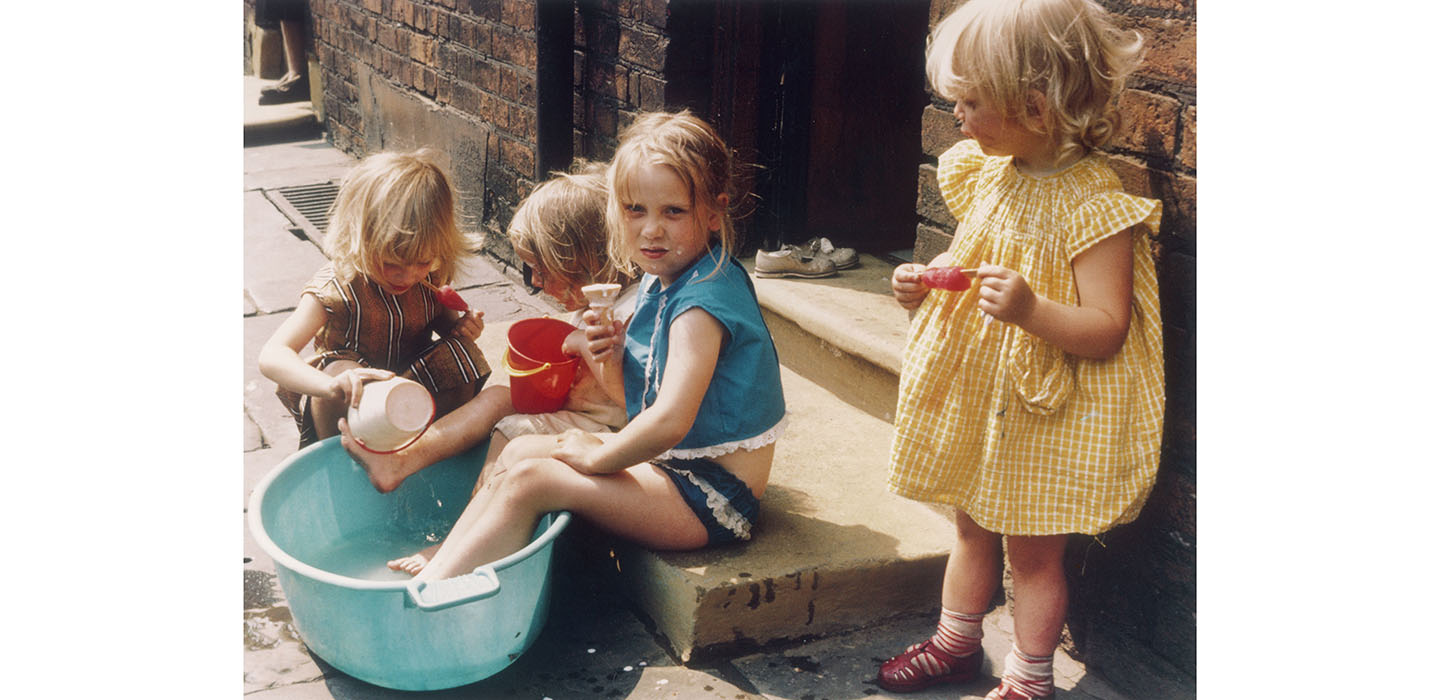 Image: Shirley Baker, 'Four girls playing on pavement in Hulme', Manchester, 1965. Estate of Shirley Baker/Mary Evans Picture Library.
Exploring the concept of play in human cultures, ‘Play Power’ reflects on the broader significance of play and how this is integrated into our daily lives. Would we live a more meaningful life if play were a central focus of day-to-day living?
Showcasing a variety of manifestations of play, both past and present – ranging from board games, games of chance, physical activity, creativity, video games and make believe, as well as ritual gambling and divination – this exhibition highlights the enduring role of play in shaping human societies.
‘Play Power’ includes historical objects and artworks such as an ancient Egyptian senet board and game pieces, Germaine Richier’s Chessboard, Large Version (1959) and iconic toys, such as Bird and Fish, designed by Patrick Rylands. Work by artists including André Breton, Eileen Agar, John Armstrong, Leo Robinson, Sir John Lavery and Lygia Clark is also on display.
This exhibition is curated by Tania Moore, Head of Exhibitions at the Sainsbury Centre, who said:
“Play is not just for children. As this exhibition demonstrates, play is integrated across societies and cultures in ways that we may not realise. If we played more freely, would we find more meaning in our lives?”
Life in the Multiverse
16 May to 4 October 2026
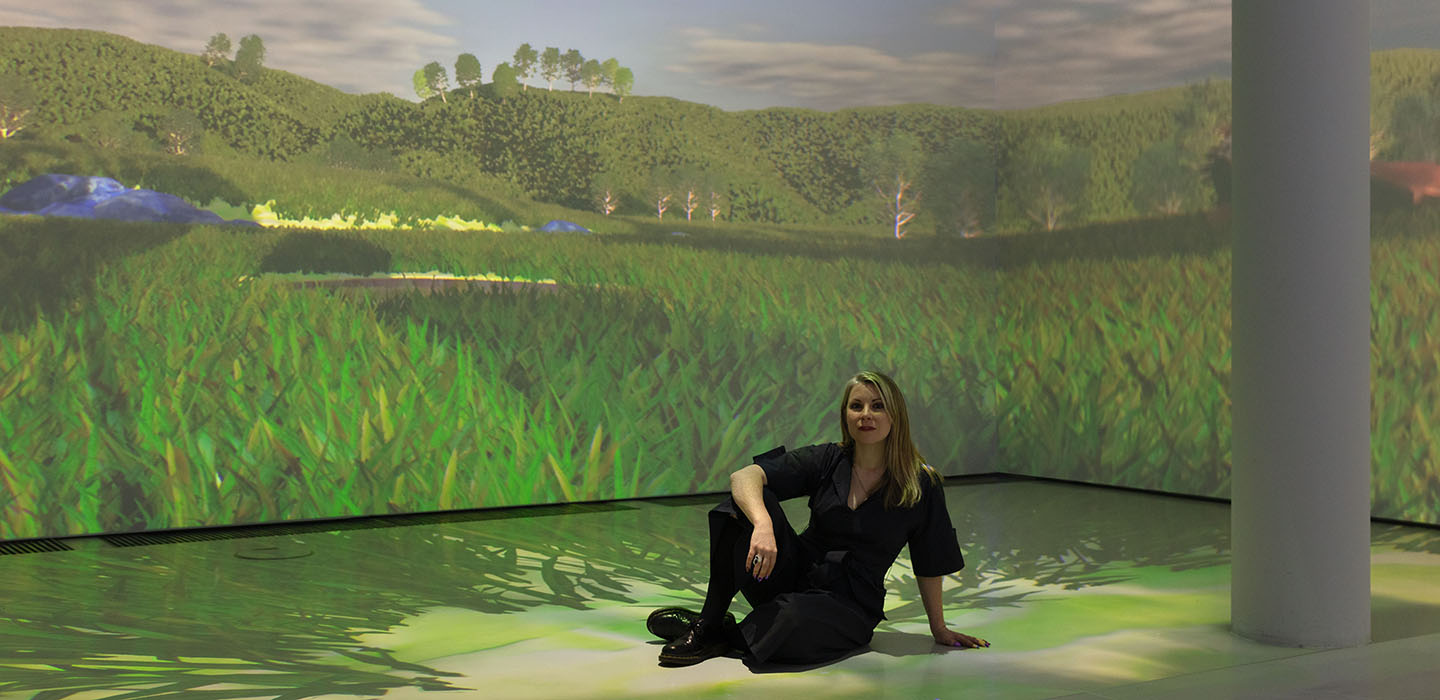 Image: Libby Heaney with work Ent-, 2022. Photo by Andrea Rossetti.
Libby Heaney uses quantum computing to create immersive and participatory installations for this exhibition, which includes a two-part digital installation and a new series of paintings.
Within ‘Life in the Multiverse’, Heaney explores the meaning of life through both personal and universal perspectives. For the latter, Heaney engages with Sainsbury Centre’s living collection through a series of physical encounters, experiencing works through bodily sensations including touch, smell and sight, as well as dreams.
Heaney layers diverse experiences, both real and imagined, to explore ideas around interconnectedness. Combining multiple images, movements and sounds through quantum coding, Heaney invites participants to feel these dream-like, cosmic, and non-linear universes.
This digital installation is accompanied by a new series of paintings. For Heaney, working with watercolour reminds her of working with quantum particles, with the paint flooding each surface, spreading out, and creating puddles that ‘entangle’ together – in much the same way as the images we encounter within Heaney’s digital multiverses.
Joy Like Time
20 June to 15 November 2026
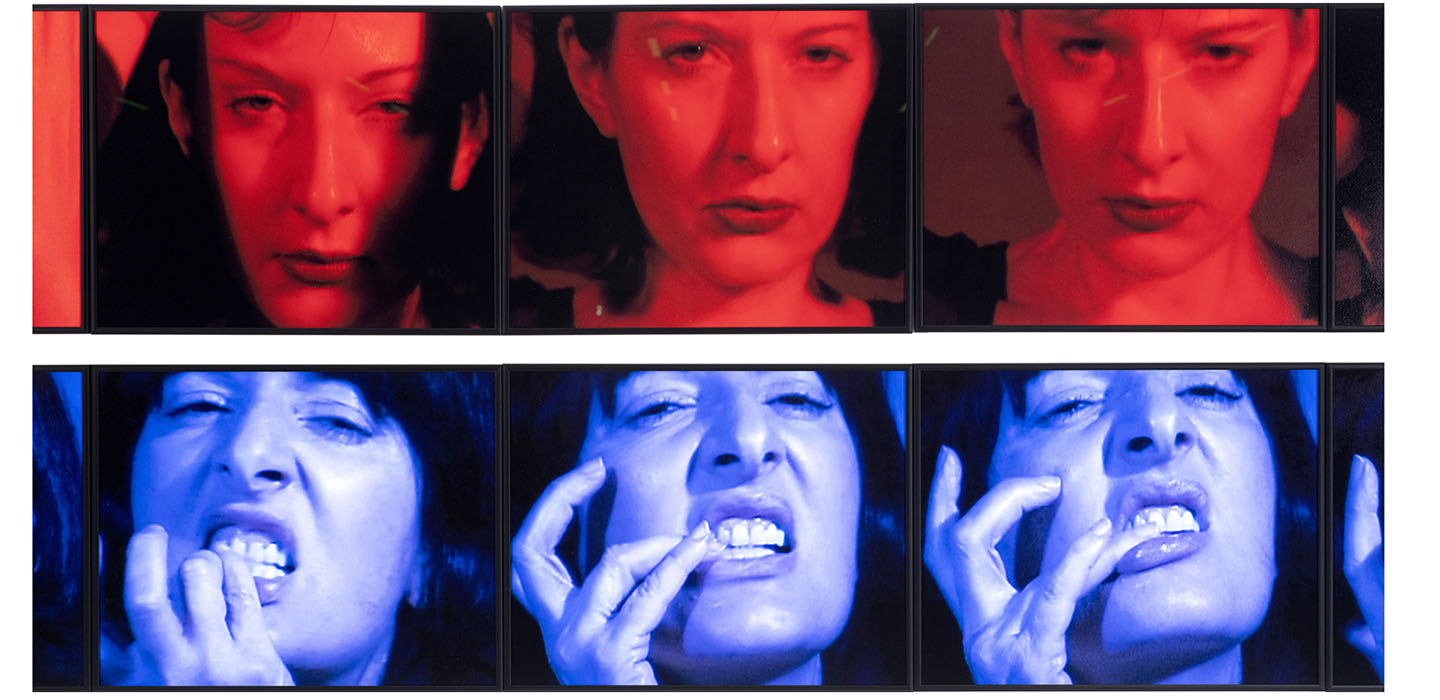 Image: Marina Abramović, Red Period/Blue Period, single channel video, 1998-2025. © Marina Abramović. Courtesy of the Marina Abramović Archives.
This exhibition explores how memory, ritual and renewal intersect through the work of internationally renowned artists Marina Abramović, Kalliopi Lemos and Gillian Wearing.
Tracking the careers of this select group of artists in depth, 'Joy Like Time’ at the Sainsbury Centre looks at how they have found life’s meaning through their practice via craft and repetition. The show asks if duration marks everything from commutes to lifespans, from harvests to histories, might it also help us confront one of humanity’s most enduring questions: what is the meaning of life?
‘Joy Like Time’ is curated by John Kenneth Paranada, Curator of Art and Climate Change at the Sainsbury Centre, who said:
“Joy Like Time is a meditation on how we turn seconds into meaning. It invites audiences to experience time not as something we measure, but as something we live. In a world facing climate disruption and accelerating social and technological change, it suggests that meaning is crafted through the choices we sustain, and the gestures we repeat across generations.”
CATKINS FOREVER: Plant Stories
20 June to 15 November 2026
This exhibition sees artist Ruth Ewan working with people across Norfolk to unearth their personal stories relating to plants and trees, to explore the different ways they are embedded in our lives.
Tree of Life
20 June 2026 to 30 May 2027
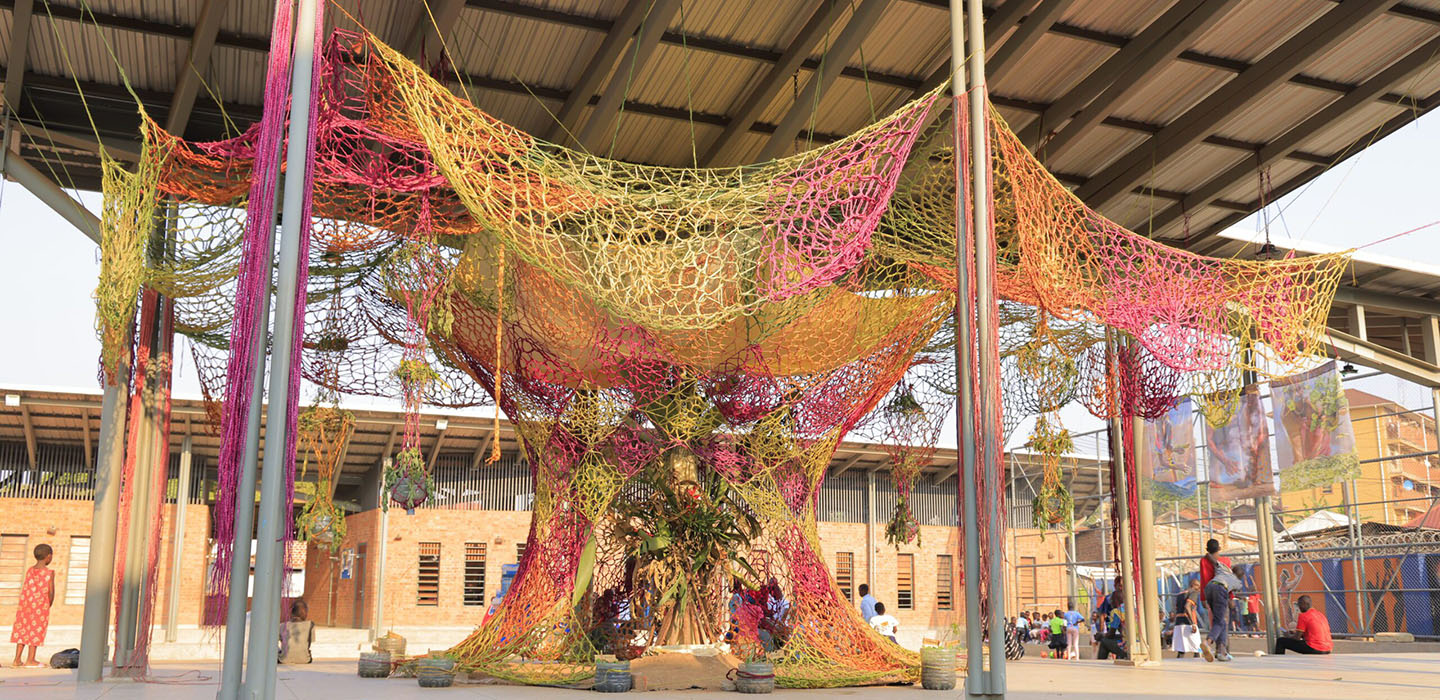 Image: Tree of Life by Seyi Adelekun. Photo: Ethel Aanyu.
Woven from hand-dyed sisal rope, ‘Tree of Life’ by Seyi Adelekun is a tactile and immersive art installation at the Sainsbury Centre which invites visitors to move in and around the tree’s central hollow trunk.
Drawing on multiple traditions, the tree emerges as a universal symbol of the interconnectedness of all life, personal growth, the cyclical nature of existence and acts as a bridge between physical and spiritual realms.
In ‘Tree of Life’, Adelekun honours the significance of trees as anchors of cultural memory, planetary health and ecological balance between the earthly and the divine. The work holds space for reflection, remembrance and reconnection with the forces that sustain life.
Related Articles
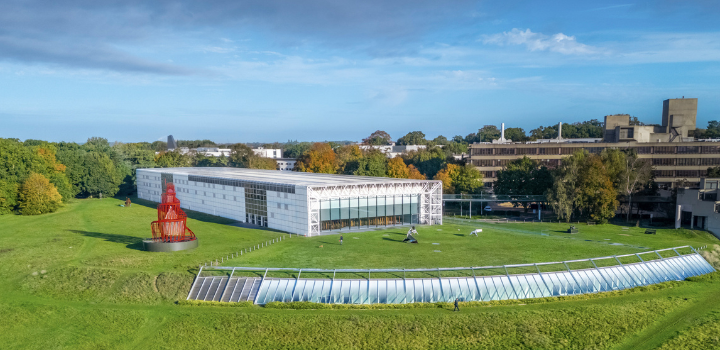
Sainsbury Centre named most visited attraction in the East of England
The Sainsbury Centre has been recognised as the East of England’s most visited attraction in 2025, welcoming more than 1.16 million total visitors.
Read more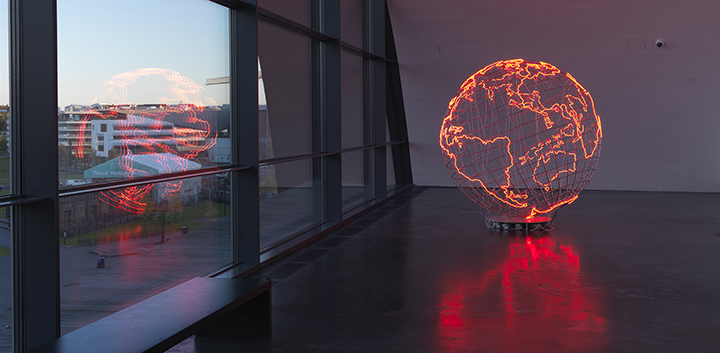
Four new shows opening at the Sainsbury Centre from 20 September
‘The National Gallery Masterpiece Tour: Reflections on Peace’, 'Seeds of Hate and Hope', ‘Roots of Resilience: Tesfaye Urgessa’, and ‘Eyewitness’ open at the Sainsbury Centre from 20 September.
Read more
The Sainsbury Centre asks 'Can We Stop Killing Each Other?'
The Sainsbury Centre’s radical exhibition programme seeks to answer the most important questions in our lives. The latest wrestles with one of the darkest and deadliest aspects of humanity: 'Can We Stop Killing Each Other?'
Read more