Four new shows opening at the Sainsbury Centre from 20 September
By: Communications
20 September 2025 – 11 January 2026
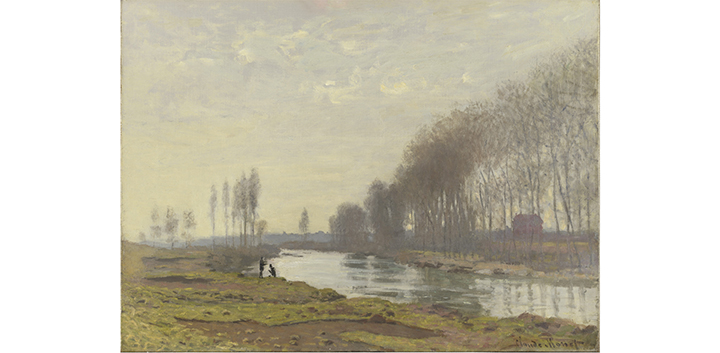
Image: Claude Monet (1840- 1926), The Petit Bras of the Seine at Argenteuil, 1872, Oil on canvas © The National Gallery, London.
Claude Monet’s 'The Petit Bras of the Seine at Argenteuil' (1872) is presented in a multi-sensory reflective space within the Sainsbury Centre, which encourages contemplation around the importance of sanctuary and a safe home.
The reflective space will mark the first edition of The National Gallery Masterpiece Tour 2025–27, of which the Sainsbury Centre has been selected, alongside three other partners.
Monet spent a year in voluntary exile in England and the Netherlands during the Franco-Prussian War, returning to France in 1871 where he settled in Argenteuil near the river Seine. Here, having found a sense of stability and home, his artwork flourished as he created paintings inspired by his surroundings, such as 'The Petit Bras of the Seine at Argenteuil'.
A new fragrance will be created for the exhibition by IFF, a leading global fragrance house, which will evoke a sense of calm and serenity using its proprietary Science of Wellness tool.
This exhibition is part of the Sainsbury Centre's 'Can We Stop Killing Each Other?' season.
The National Gallery Masterpiece Tour is organised by the Sainsbury Centre and the National Gallery, London. Specialist insurer, Hiscox, is proud to support The National Gallery Masterpiece tour.
28 September 2025 – 15 February 2026
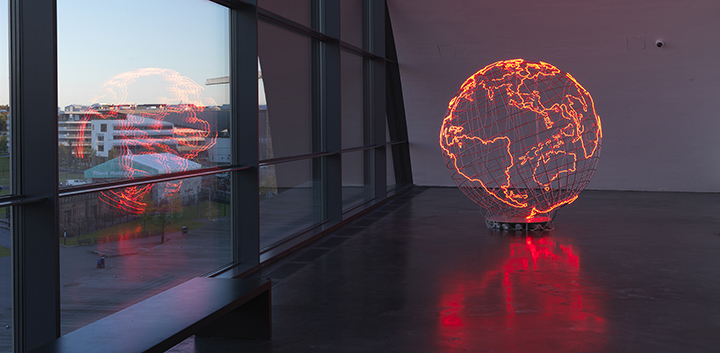
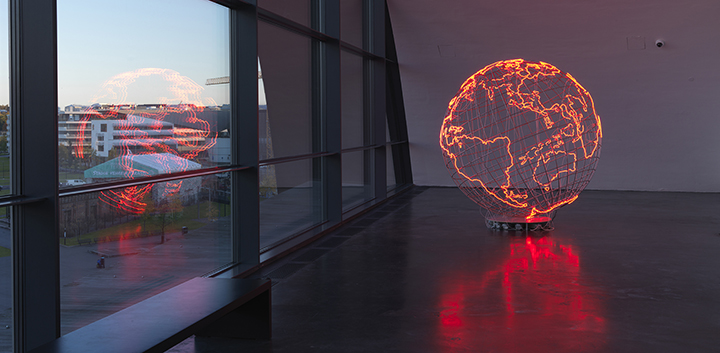
Image: Mona Hatoum, Hot Spot, 2013, stainless steel, neon tube. From the exhibition ‘Mona Hatoum’, Museum of Contemporary Art Kiasma, Helsinki, 7.10.2016-26.02.2017. Photo: Finnish National Gallery/Pirje Mykkänen.
Through the 20th and 21st centuries artists have witnessed, experienced, and responded to atrocity crimes with powerful and compelling works. This exhibition, featuring works from Mona Hatoum, William Kentridge, Hew Locke, Zoran Mušič, Peter Oloya and Kimberly Fulton Orozco, Indrė Šerpytytė, and more, aims to bring understanding as to why and how these crimes occur, and the ever-present desire to find peace.
Focussing on abstract representations, rather than literal or explicit violence, Seeds of Hate and Hope challenges the typical representations of war and ‘trauma porn’ often dispelled through the media. It will reveal the seeds of resilience, both individual and collective, sown during conflict, and highlight how respect for diversity is fundamental in protecting against the dangers of prejudice, hate speech, discrimination and dehumanisation.
Grounded in individual, artistic perspectives, the exhibition looks at mass atrocities across the globe, including the Holocaust, slavery and colonisation, apartheid, and racism.
The exhibition aims to deepen understandings about why and how mass atrocities keep happening and what needs to be done to prevent them in the future. This show acknowledges historic injustices, encourages healing, and promotes tolerance and empathy for other people, cultures, religions and identities.
'Seeds of Hate and Hope' is part of the Sainsbury Centre's ‘Can We Stop Killing Each Other?’ season.
20 September 2025 – 15 February 2026
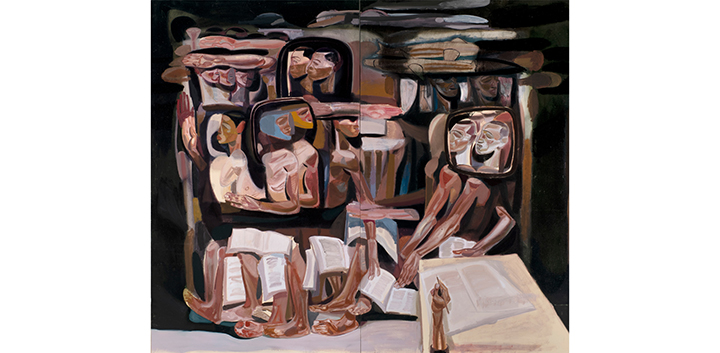
Image: Tesfaye Urgessa, 'No country for young men', 31, 2024, oil on canvas. Copyright: Tesfaye Urgessa. Courtesy of Cheng-Lan Foundation and Saatchi Yates.
Shaped by themes of geographical displacement and migration, internationally acclaimed Ethiopian artist Tesfaye Urgessa creates powerfully visceral paintings that interrogate the politics of war, race and identity.
Following a residency with the Sainsbury Centre, Urgessa will unveil a series of new paintings reflecting on the refugee crisis, which have been created in dialogue with the museum’s collection. Works will investigate layered narratives of war, migration, and survival, reflecting on resilience.
Roots of Resilience refigures the human body not as broken, but as bearing dignity, defiance, and the enduring capacity to heal. The human figure reflects not only personal and collective trauma, but also our potential for empathy, endurance, and transformation.
Works from the Sainsbury Centre’s global collection, such as Pablo Picasso’s Woman combing her Hair (1906), and Henry Moore’s Mother and Child (1932), among others, serve as key sou
'Roots of Resilience: Tesfaye Urgessa' is part of the Sainsbury Centre's 'Can We Stop Killing Each Other?' Season.
20 September 2025 – 15 February 2026
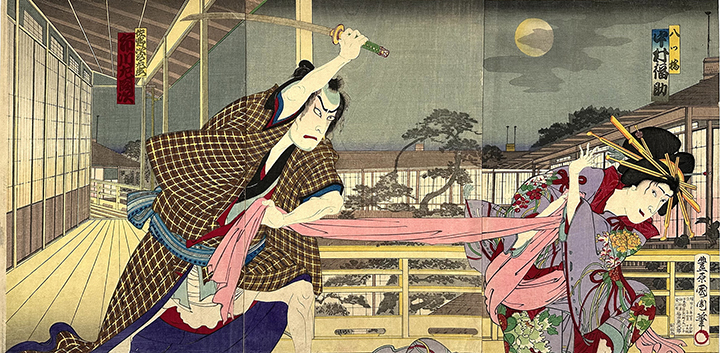
Image: Toyohara Kunichika, Ichikawa Sadanji I as Jirozaemon and Nakamura Fukusuke IV as Yatsuhashi in Kagotsurebe sato no eizame, 1888, colour woodblock print. Courtesy of Paul Griffith Collection.
Why are people across the world so fascinated by the dramatisation of killing? From Shakespearean tragedy to Hitchcock’s Psycho, the spectacle of violence is central to performance traditions around the world.
Through an exploration of historical and contemporary works by international artists, grappling with the horrors of homicide, 'Eyewitness' considers how violent stage and screen narratives can invite questions about our own morality, cultural codes and religious beliefs.
From hand-operated glove puppets to the sophisticated technology of large productions, the materiality of performance can provide an entry point for viewers to discuss how frameworks of justice and ethics are established by societies. What effect does witnessing so much violence in our daily lives have?
This exhibition is part of the Sainsbury Centre's 'Can We Stop Killing Each Other?' season.
Related Articles
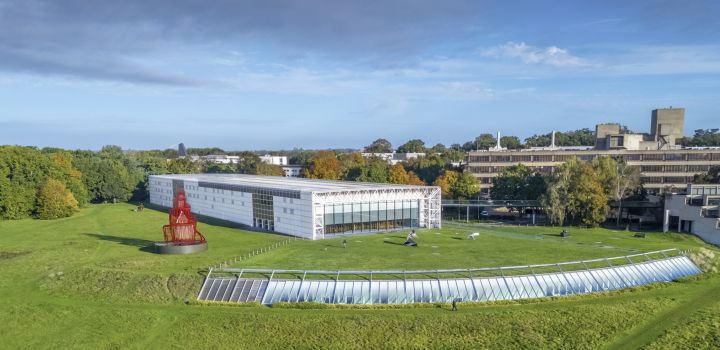
University of East Anglia receives major philanthropic donation to revitalise the Sainsbury Centre art museum
A vision to revitalise the Sainsbury Centre, one of the most popular art museums in the UK, has been made possible with a gift of £91.2 million from Lord David Sainsbury through Gatsby, his charitable foundation.
Read more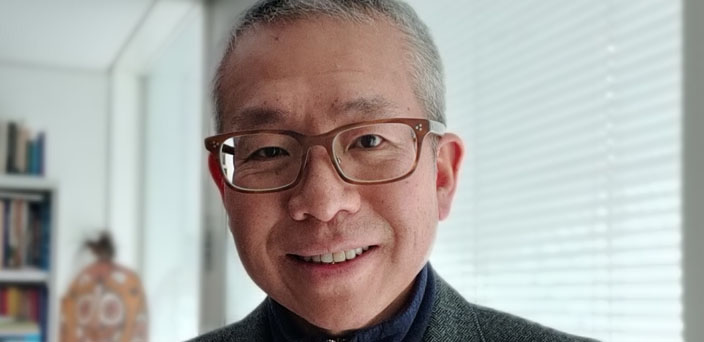
UEA Professor George Lau elected Fellow of the British Academy
Prof George Lau, Professor of Art and Archaeology of the Americas at the Sainsbury Research Unit (SRU), University of East Anglia, has been elected a Fellow of the British Academy – one of the highest honours in the humanities and social sciences.
Read more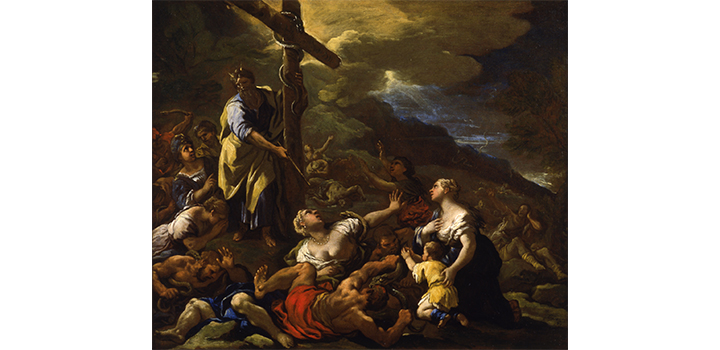
The Sainsbury Centre asks 'Can We Stop Killing Each Other?'
The Sainsbury Centre’s radical exhibition programme seeks to answer the most important questions in our lives. The latest wrestles with one of the darkest and deadliest aspects of humanity: 'Can We Stop Killing Each Other?'
Read more