Sainsbury Centre named most visited attraction in the East of England
By: Communications
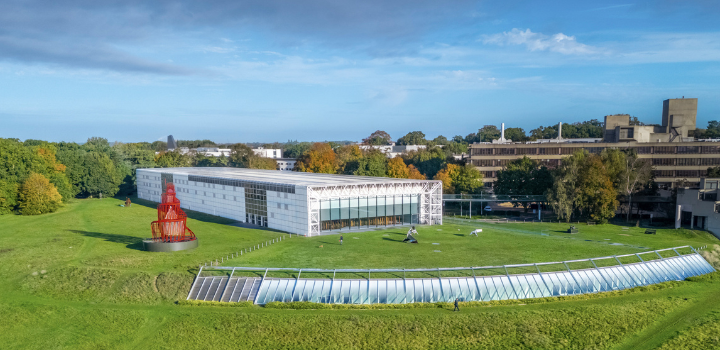
The Sainsbury Centre has been recognised as the East of England’s most visited attraction in 2025, welcoming more than 1.16 million visitors.
The latest visitor figures, released by the Association of Leading Visitor Attractions (ALVA), have named the Sainsbury Centre as the top visited attraction in the East of England with 1,162,650 visitors in 2025 – ranking higher than museums including Tate Britain, Royal Academy of Arts, and the Design Museum.
In total, 409 ALVA sites submitted their total visitor numbers for 2025, with the Sainsbury Centre ranking as 29th in the UK overall.
ALVA’s members are the UK's most popular, iconic and important museums, galleries, palaces, castles, cathedrals, zoos, historic houses, heritage sites, gardens and leisure attractions.
Captivating galleries, inspiring exhibitions and a beautiful sculpture park
Since the Sainsbury Centre’s Living Art relaunch in 2023, visitors have increased dramatically, enthused by a radically different way of experiencing a world class art collection.
In 2026, the Sainsbury Centre continues its innovative series of investigative exhibitions engaging with fundamental questions of life with two new seasons. Currently, two exhibitions explore Can We Stop Killing Each Other.
Later in 2026, What is the Meaning of Life?, launching in May, delves into the fundamental questions of human existence, from rule-making, to time and play; and How Do We Find Love?, opening in November, explores the profound complexities of human relationships, desire, and intimacy.
Sainsbury Centre director Jago Cooper said: “We are delighted that so many new visitors are travelling to the Sainsbury Centre and enjoying our captivating galleries, inspiring exhibitions and beautiful sculpture park. To be one of the most visited museums in the country outside of London is a huge privilege.”
Related Articles

UEA expert welcomes measures to prepare for disruption to essential services
A food systems expert at the University of East Anglia has welcomed suggestions by Secretary of State for Defence Wes Streeting that members of the public and businesses should consider how they would cope if there were disruptions to essential services.
Read more
Local residents invited to collaborate on UEA Boardwalk project thanks to National Lottery Community Fund
The University of East Anglia (UEA) Boardwalk project has been given a boost thanks to funding from The National Lottery Community Fund (NLCF).
Read more
How the eyes could unlock personalised pain relief with virtual reality
Combining artificial intelligence (AI) with eye tracking in virtual reality could one day help personalise treatment for millions living with chronic pain, according to world-first research from the University of East Anglia.
Read more