Latest News
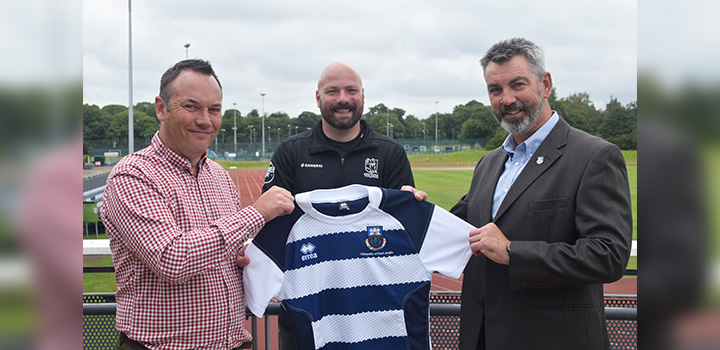
New North Walsham Rugby Club director to drive forward UEA Rugby partnership
New Director of Rugby for North Walsham Rugby Club (NWRFC), Niall Lear, will lead the University of East Anglias (UEA) Mens and Womens rugby programme.
Read more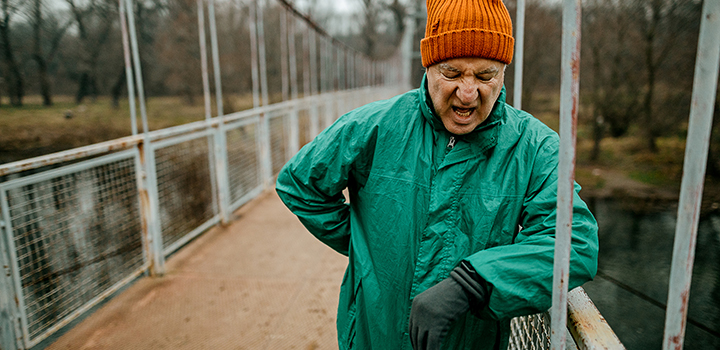
Study reveals new cause of breathlessness during exercise
Being out of breath when you exercise could be a sign of a problem with your main artery, the aorta according to new research from the University of East Anglia.
Read more
Innovative AI solution to real-time seabed mapping earns UEA's School of Computing Sciences national recognition
UEA's School of Computing Sciences in-demand AI expertise has been recognised nationally after being named as one of Innovate UKs three finalists at their annual awards, following development of an innovative solution to real-time seabed mapping.
Read more
UEA researchers develop new tool to reduce stroke risk
Researchers at the University of East Anglia have developed a new way of identifying patients at risk of an irregular heartbeat, known as atrial fibrillation.
Read more
Fresh evidence of ChatGPTs political bias revealed by comprehensive new study
The artificial intelligence platform ChatGPT shows a significant and systemic left-wing bias, according to a new study by the University of East Anglia (UEA).
Read more
Top tips to get ready for Clearing
Waiting for exam results or planning to apply to UEA through Clearing? Spend some time in advance getting ready so that you have the information you need before you call.
Read more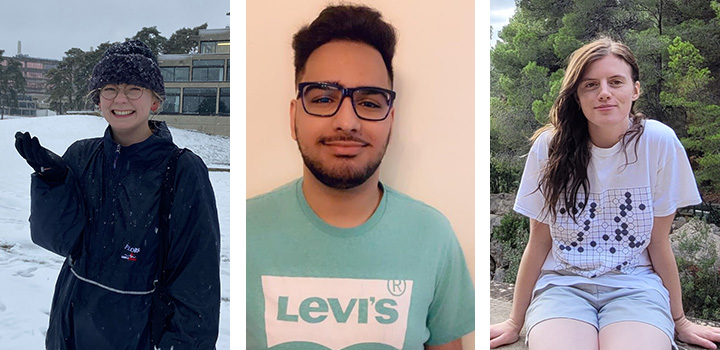
All clear: the students who started university life through Clearing
Six students who embarked on their university journeys via Clearing have offered their insights, to shed light on their application experiences, motivations for selecting UEA, and advice for prospective students about to embark on a similar path.
Read more
Drivers with dementia wanted for ground breaking new study
Researchers at the University of East Anglia are looking for car drivers with Mild Cognitive Impairment (MCI) or early dementia to take part in a ground-breaking new study.
Read more
UEA researchers launch campaign to reduce dehydration among over 65s
Read more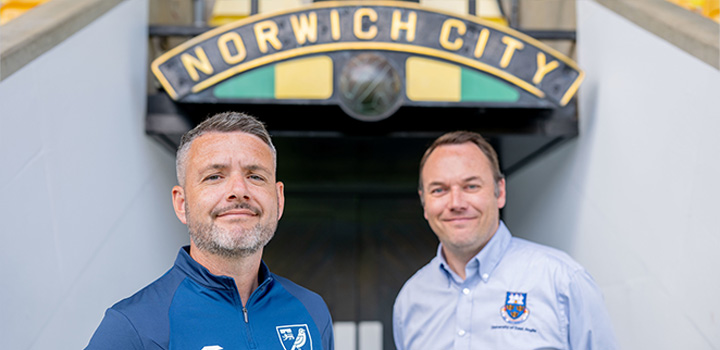
New Norwich City Women head coach will bring boost to UEA football programme
New Norwich City Women head coach, Martin Herdman, will lead the University of East Anglias womens football programme.
Read more
Students and graduates with links to every continent share their love for studying in Norwich
From semesters studying abroad to years dedicated to degree learning, past and present international students share their stories.
Read more
Tragedy and chaos aboard the warship Gloucester
The Gloucesters troubled early history, intertwining maritime heritage with national and global narratives, has been revealed by research from the University of East Anglia.
Read more