How UEA shaped the writing of poet Amanda Hodes
By: Alumni Team
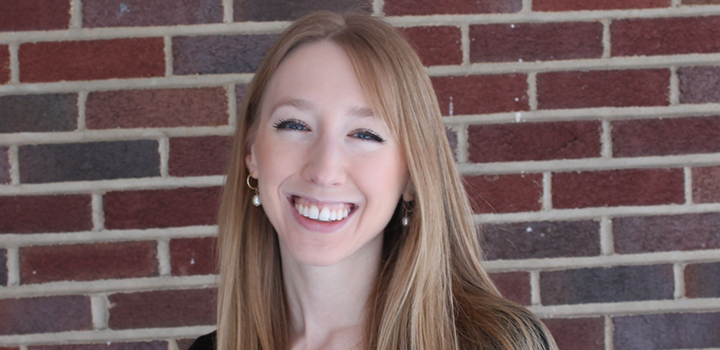
Amanda Hodes (LDC19) gained a MA in Creative Writing (Poetry) from UEA in 2020. She has gone on to write her debut poetry collection Into the Into of Earth Itself, which won the 2024 Philip Levine Prize for Poetry. The collection explores two towns in Pennsylvania and is due to be released in September 2026. Amanda kindly answered some questions about her collection and how her time at UEA influenced her writing.
How did you come to study Creative Writing at UEA?
I was drawn by UEA's renowned reputation for creative writing, as well as by the picturesque landscape of Norwich itself. As a writer from the United States, I found it appealing to work with peers from all over the world since my UEA Masters cohort consisted of poets from a range of global places. The UEA International Excellence Scholarship was especially helpful in making attendance possible for me too.
How did your UEA degree help your writing and your career?
The UEA Masters provided dedicated writing time and a cohort of devoted peers who gave a profound amount of attention and generosity to my work. While I didn't realize it at the time, I also discovered that I needed to be away from the landscape of my home (Pennsylvania, USA) to actually understand what that locale meant to my identity as a writer. There's a particularly rich tradition of place-oriented poets in England, and their work had a tremendous influence on me during my studies.
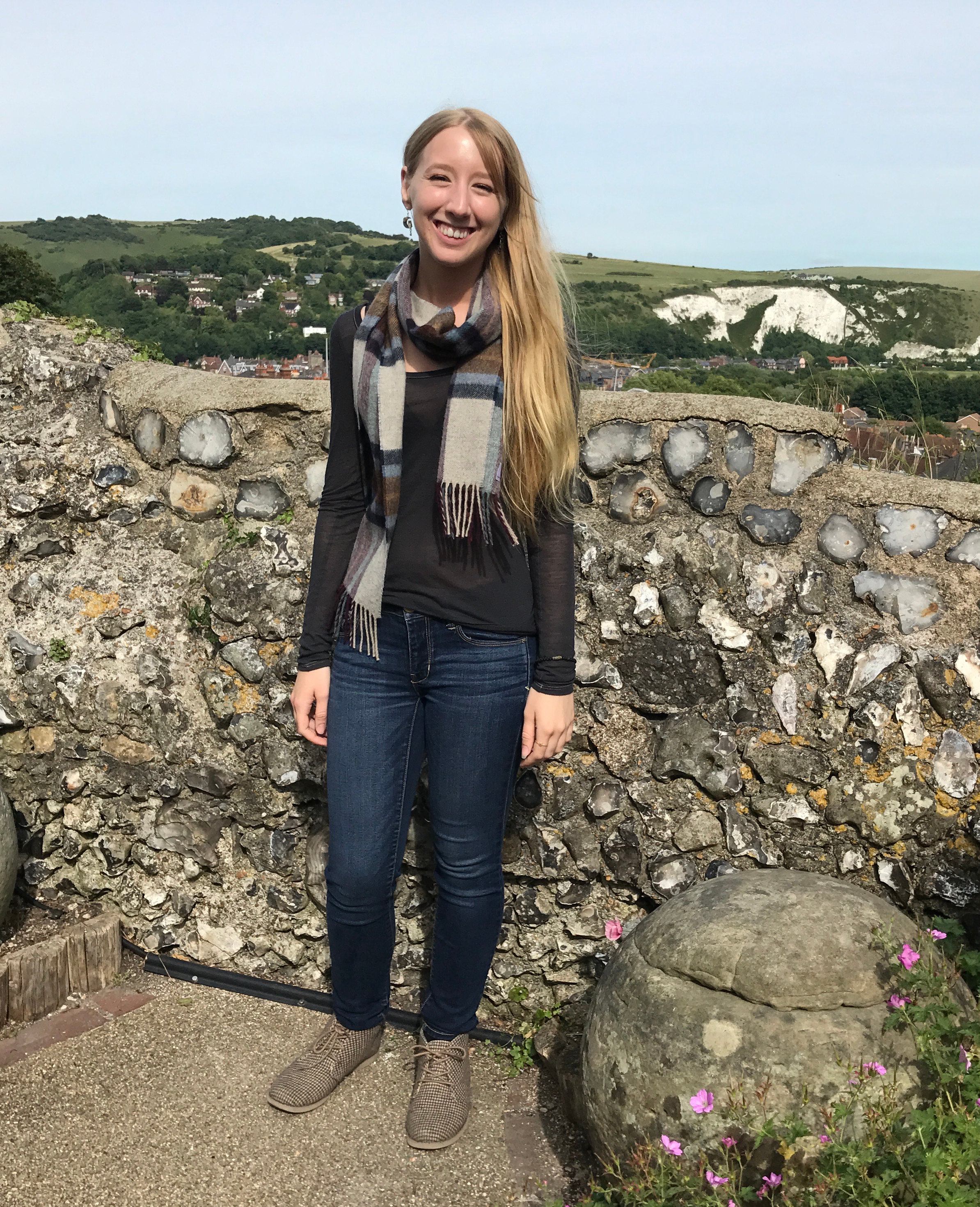
Amanda during her time in the UK
What are your favourite memories for studying at UEA?
I thoroughly enjoyed being part of the Sainsbury Center's Young Associates Program. I maintain a practice as a sound artist and am extremely inspired by visual art to this day. I remember many afternoons writing and studying in the Sainsbury Center, immersed in art and poetry, followed by ample walks on the nearby trails.
Your new collection of poetry, Into the Into of Earth itself, looks at two towns in Pennsylvania. How did you come to be interested in this topic?
I arrived at UEA with an entirely different project in mind (a project that has since morphed into my second manuscript). However, I took Professor Andrea Holland's Poetics of Place seminar and was tasked with examining my own relationship to place. Far from home, I saw my original landscape in stark relief as I questioned what made it distinct - and what strange hold it still held over me. Growing up in a small polluted zinc-smelting town, I had to find the beauty in the industrial, the wounded, and what scholar Joyelle McSweeney calls the 'necropastoral.' In Holland's seminar, I began writing poems about Centralia, a nearby Pennsylvania town that was condemned due to an underground mine fire that will burn for centuries. Suddenly, the mountains started speaking, the thermophile bacteria sang, and the pigeons had stories to tell. After I graduated, I continued my MFA studies at Virginia Tech, where this seed of a book became Into the Into of Earth Itself.
How did it feel to win the 2024 Philip Levine Prize for Poetry for the collection, and what did the journey to publication look like for you?
The collection had taken nearly 4 years to write and fine tune, so when I won the Philip Levine Prize, I was deeply moved that my work had resonated with someone else--namely the judge Diana Khoi Nguyen, a poet whose work had shaped my own practice. Moreover, earning a prize named after Philip Levine was truly meaningful; Levine's working class, industrial background and ethos continues to guide me as a first-generation college student (and, now, professor). I had submitted to many poetry prizes for a year and half before the book was picked up, and I'm glad I had the perseverance to keep sending it out.
What advice would you have for fellow writers of poetry currently studying creative writing at UEA?
Write as much as you can while you have the time. Likewise, remember to stay in touch with your cohort members. You can learn just as much from them as you can from your professors - and they'll remain part of your valuable network once you leave.
Study MA Creative Writing Poetry at UEA