Restoration Starts with Seeing What’s Already There
By: Bibek Raj Shrestha
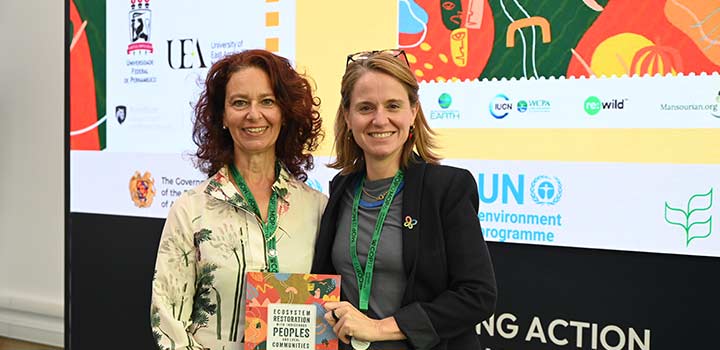
The following blog post captures UEA PhD student Bibek Raj Shrestha's experience at COP17 on the launch of a new guide, which included UEA researchers as authors.
Last week, I walked into a packed Shaki Hall at COP17 in Yerevan, Armenia, with people standing along the walls for the launch of Ecosystem Restoration with Indigenous Peoples and Local Communities: A Practical Guide. The colourful artwork on the cover was inviting.
As the world gathers for global review of 2030 targets on Kunming-Montreal Global Biodiversity framework, this guide aims to be a timely contribution to the global ambition to restore at least 30% of degraded ecosystems by 2030 under target 2. This guide compiles more than 40 interviews and 30 case studies from around the world.
A big congratulations to lead author Stephanie Mansourian and the team including Adrian Martin and Neil Dawson from the University of East Anglia, Helen Tugendhat from Synchronicity Earth, and all the contributors who helped bring this timely and important work together.
As I listened to the panellists sharing their on-ground experience, they kept repeating how the restorations are led by external projects and experts, while the local and indigenous people who have been taking care of the land for generations with their traditional knowledge are given a very limited space than they deserve.
This is something I have also heard in Nepal, be it in Himalayas or in the forests, how external consultants arrive for short field visits, collect information and leave. Meanwhile, the locals are hardly consulted for their knowledge and lived experience that are relevant for understanding the ecosystem. Much of this knowledge is passed down through generations subtly and beautifully woven into the stories, folklores and customary rules.
Hannah Moghani, an Indigenous rights advocate from Iran made a point which stayed with me that conservation must come before restoration. Rather than waiting for the ecosystem to degrade and bring the technical solution, we need to recognise and support the existing practices that have sustained them in the first place.
I really connected what June Rubis, an Indigenous scholar and biologist from Sarawak, Malaysian Borneo, spoke about, that restoration is more than physical work. It also involves emotional, mental and spiritual labour rooted in our relationship with the land, where what we give comes back to us. Her words kept me thinking how relationships can be missed when restoration is measured only through activities and indicators.
Onel Masardule, a Kuna Indigenous from Panama shared an example from his community where a plot of land may be farmed for the five year and left to rest for another 30-40 years, allowing the soil to recover and other species to return. He spoke about these other species as siblings, with their own right to exist in their habitat. I could hear anger and frustration in his voice, when he challenged the tendency when indigenous people are just treated as beneficiaries or tools for conservation rather than as knowledge holders and equal partners in decision making. For him, water is his sibling too, he asked “How can we sell our own sibling?”
As I listened to these accounts, it made me go back to my own roots and rituals in Kathmandu. As an Indigenous Newar, I grew up around the festivals and traditions that is closely connected to the seasons, monsoon and natural environment. We celebrate a festival called Sithi Nakha right before monsoon, where the communities come together and clean hiti (traditional stone water spouts), wells and other water sources in preparation for the rains.
I didn’t pay much attention to the practice in terms of conservation or restoration earlier. It was simply the part of the festival and seasonal calendar. But it carries the traditional and practical knowledge about water, the monsoon and importance of maintaining shared resources. Also, it reminds me how timing matters. Restoration project that needs to understand and respect the local calendar, traditions and community practices.
As an Indigenous person myself, now working as an ecology and conservation researcher, these conversations made me reflect on how much we still have to learn. Science definitely, has an important role, but it should not be the only way we understand a landscape. Our challenge is to listen patiently and make space for knowledge that may not always fit neatly into scientific frameworks or indicators. These different ways of understanding nature can complement one another.
On the bus back from the event, I asked Stephanie what she hoped the guide would achieve. She explained that it should be something people find inspiring and useful alongside existing guidelines, rather than another set of requirements or indicators to follow. I liked that idea.
With the 2030 restoration target approaching, I hope this guide encourages more practitioners to look beyond project plans and technical solutions, and spend more time understanding the people and practices already caring for the land. Also how the practise in one place can be a learning for others, there could be exchange of ideas and stories where fitting.
For me, one thing that stayed with me from the session - before we decide what needs to be restored, perhaps we should first understand what is already there.
Bibek Raj Shrestha
Bibek Raj Shrestha is a PhD researcher at the University of East Anglia, exploring how Nepal can identify and implement effective and equitable conservation areas to contribute to the global 30×30 target. His research combines spatial conservation planning with questions of governance, community forestry, and Other Effective Area-Based Conservation Measures (OECMs).
Related Articles
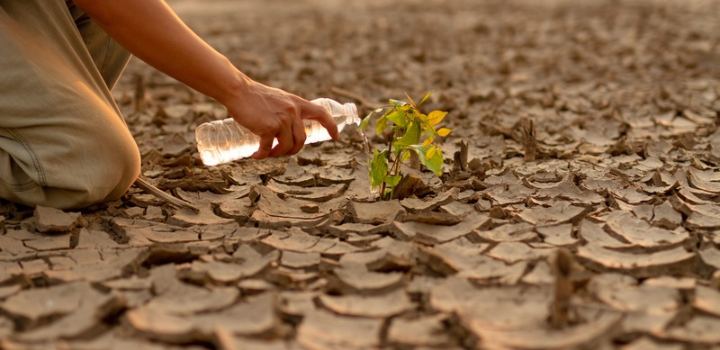
New guide puts Indigenous Peoples, local communities and rights at the heart of ecosystem restoration
A major new report outlines how experts can better place Indigenous Peoples and local communities at the heart of decision-making in ecosystem restoration efforts.
Read more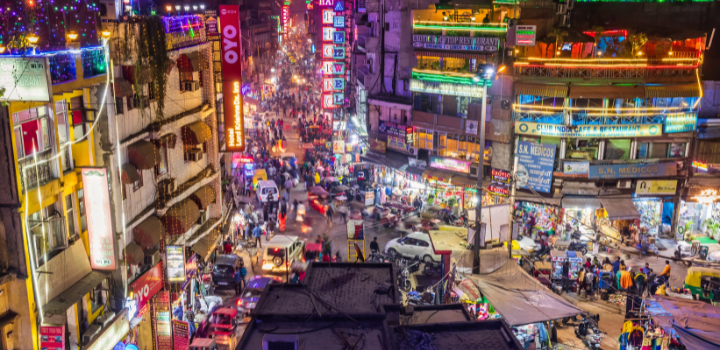
Inequalities grow in cities as heat and daylight patterns transform urban life
Changing patterns of heat and daylight in urban environments are creating growing inequalities, with climate-related shifts reshaping daily life and disproportionately affecting vulnerable communities.
Read more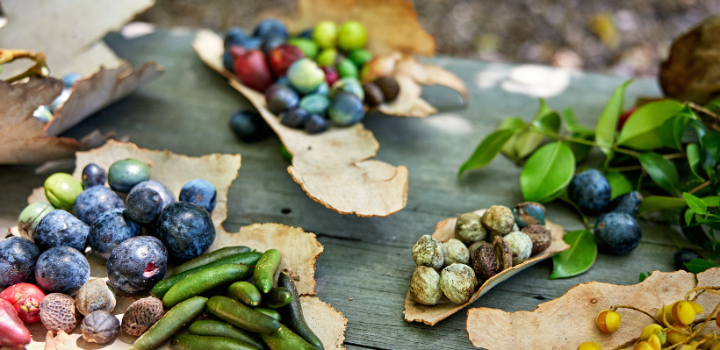
Indigenous knowledge key to building healthier and more sustainable food systems
Traditional and Indigenous knowledge could play a vital role in addressing some of the world's most pressing challenges, including climate change, biodiversity loss, and poor health and nutrition, according to a new review of current research.
Read more