PhD researcher wins 11th Sultan Qaboos Award for poetry collection
By: Communications
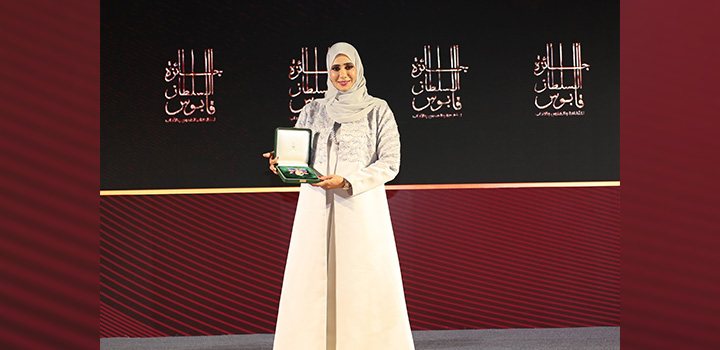
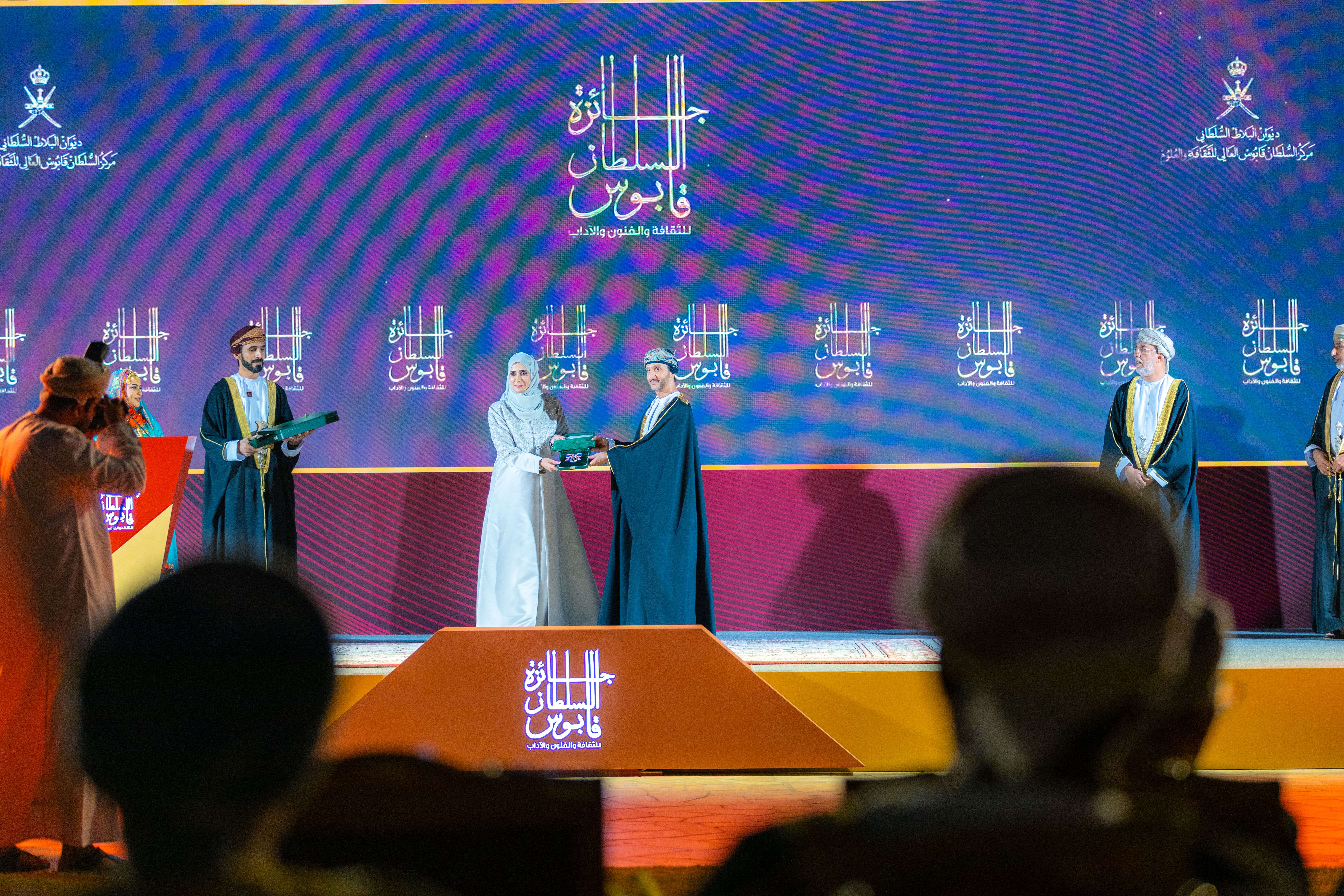
Shamisa Alnuumani, a PhD researcher in the School of Politics, Philosophy and Area Studies (PPA), has won the 11th Sultan Qaboos Award for Culture, Arts and Literature, in the field of Classical Arabic Poetry, for her poetry collection “Maqamat Zulekha” published in 2022. The winner was awarded the Order of Merit for Culture, Arts and Literature.
On receiving this award, poet Shamisa said: "Winning this prestigious award, which has a great prestige at the Arab and international levels, is a badge of honour and a milestone moment in my poetic and life history.
"This win gives me indescribable happiness and strong motivation to continue to give and create, and I will continue to work to provide the best and enhance the status of Arabic poetry."
The award honours Arab and Omani intellectuals, artists and writers for their civilisational contributions to the renewal of thought and the advancement of human conscience, and emphasises Oman's past, present and future contribution to the material, intellectual and cognitive achievements of human civilisation.
Dr Fatima Al-Shaidiya, a member of the Arabic poetry panel of judges, said: "We found ourselves agreeing on this collection, which was characterised by poetic honesty, based on intense emotion and very beautiful poetic writing and imagery.
"The collection was characterised by a strong poetic structure and deep language that was able to reach our hearts."
Related Articles

Electoral integrity under pressure as elections faced persistent threats in 2025
Elections across the world faced a wide range of pressures on electoral integrity in 2025, from violence and mis- and disinformation to electoral management malfunctions, cyber attacks and natural hazards, according to a new report.
Read more
UEA subjects among UK best in student-focused league tables
The University of East Anglia has climbed to the top of a new league table for a variety of subjects – with Norwich named the nation's leading university city.
Read more
Dame Jacqueline Wilson to judge creative writing competition about inspirational animals
Aspiring writers of all ages have the chance to impress novelist Dame Jacqueline Wilson in a unique competition hosted by UEA, Redwings Horse Sanctuary and The Pony Club.
Read more