Norwich Business School enters top 30 in CEO Magazine’s Global MBA Rankings
By: Communications
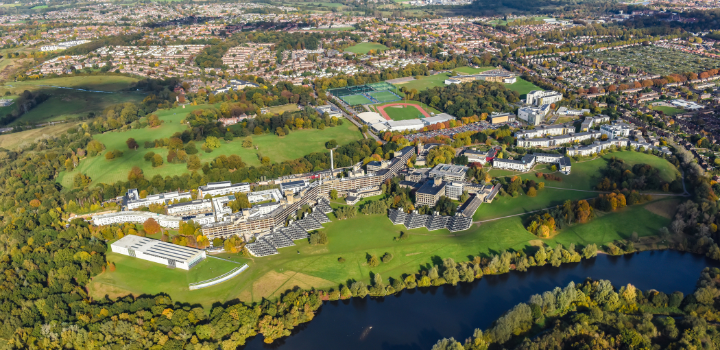
UEA’s Norwich Business School has been recognised for the first time in CEO Magazine’s Global MBA Rankings, with its MBA offering overall recognised within the “Tier One” Global category and its Executive MBA programme being ranked 28th in the world.
The rankings highlight business schools that demonstrate excellence in faculty quality, international diversity, class size, accreditation, and professional development.
Norwich Business School has also been recognised as a Tier One Global MBA provider, placing it among an elite group of business schools worldwide.
This strong debut reflects the growing international reputation of Norwich Business School and the strength of its Executive MBA, which is designed to support experienced professionals in accelerating their leadership capabilities while balancing career ambitions with academic excellence.
Prof Amir Sharif, Head of Norwich Business School, said: “Being ranked by CEO Magazine for the first time, and achieving a Tier One recognition for our MBA offering overall, with a global position of 28th for the Executive MBA , is a fantastic achievement for our MBA provision and represents the hard work and efforts of the wider Norwich Business School community over the years to date.
“This recognition confirms the quality, relevance, and global impact of our programmes, and reflects the dedication of our staff, students, and alumni.”
The ranking adds to UEA’s growing reputation for excellence across teaching, research, and innovation, and underlines Norwich Business School’s role in shaping responsible, forward-thinking business leaders equipped to address global challenges.
Related Articles

New study reveals phone-free holiday can provide wellbeing reset
Research from the University of East Anglia has revealed that digital-detox trips can help people slow down, reconnect with their surroundings and reassess their relationship with technology.
Read more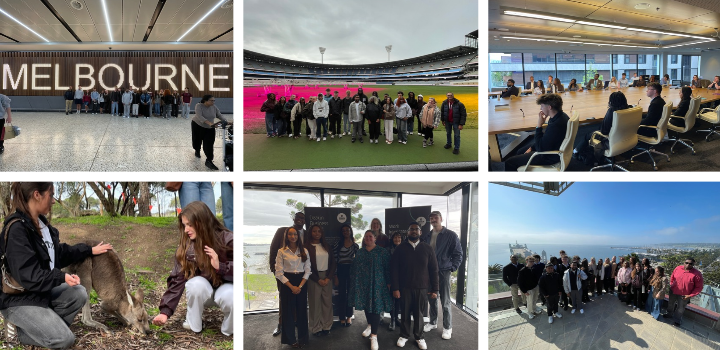
UEA students experience real-world business challenges in Australia
Students at the University of East Anglia have been given the chance to gain valuable international experience in real-world business challenges through a skills boosting programme in Australia.
Read more
Social media ban needs serious investment and support, UEA expert says
A social media ban for young people needs serious investment in support systems, not just a start date – according to a social media and education expert at the University of East Anglia.
Read more