Nobel laureate and UEA graduate offers hope for the future of medicine
By: Communications
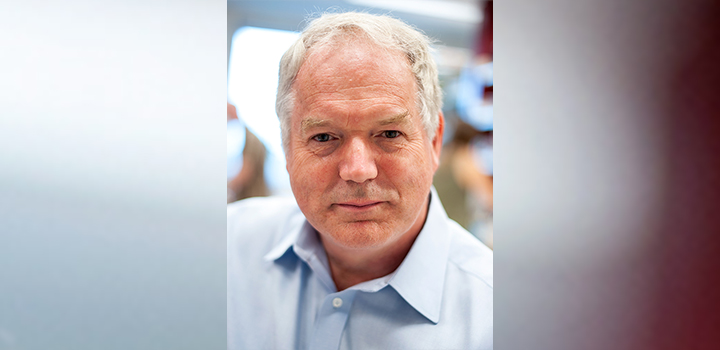
An upcoming UEA lecture will see Nobel laureate Sir Michael Houghton reflect on vaccine challenges, evolving treatments, and the future of healthcare.
Sir Michael, who was jointly awarded the 2020 Nobel Prize in Physiology or Medicine for the discovery of the hepatitis C virus (HCV), will discuss the future of medicine, vaccine development and global health.
Sir Michael completed his BSc in Biological Sciences in 1972 and has credited his time at UEA with shaping his early interest in virology and molecular biology, which went on to underpin a globally influential research career.
Ahead of his talk, Sir Michael said: “Whilst there are undoubtedly major challenges ahead, I believe that growing technologies in molecular medicine will likely result in the control of most diseases this century, including rapid control of infectious diseases such as future viral pandemics and antibiotics for resistant bacteria.
“I think people will look back on the 21st century as heralding a true renaissance in molecular medicine.”
The free online event, on Tuesday 5 May, is open to all with advance registration available via the UEA events website.
Sir Michael’s identification of HCV in 1989 led directly to the development of blood screening tests, dramatically reducing the risk of transmission through blood transfusions.
Prior to screening, the risk of acquiring HCV from a blood transfusion was estimated at around one in three. Today, in developed countries, that risk has fallen to less than one in two million.
Sir Michael currently holds various positions, including Director of the Li Ka Shing Applied Virology Institute at the University of Alberta, where he continues to lead research into viral diseases and vaccine development.
In his upcoming Lasdun Lecture he will reflect on his career, discuss current vaccine challenges, and share his perspective on what lies ahead for global healthcare.
Event details
Date: Tuesday 5 May 2026
Time: 4.15–5.15pm
Location: Online only
Related Articles
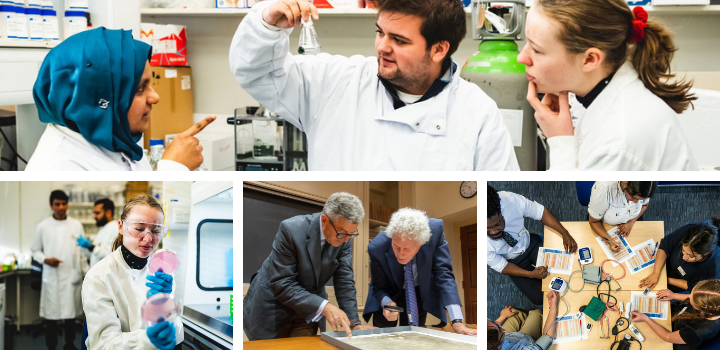
UEA among global elite for research collaboration
The University of East Anglia has been recognised as one of the best in the world for research collaboration in a major new ranking.
Read more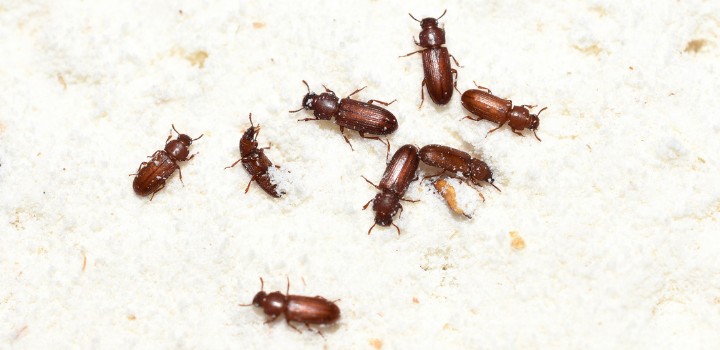
How sex can help save species from extinction
Giving females multiple males to mate with, rather than just one, could help make species more resistant to extinction – University of East Anglia research shows.
Read more
UEA scientists develop ‘first of its kind’ home fertility test as global sperm counts plummet
University of East Anglia scientists have developed the first rapid at-home sperm test paired with a mobile app for personalised fertility advice.
Read more