"Most harmful" Budget in decades
By: Communications

Today’s Budget is likely to be the “most harmful” in decades, and a “missed opportunity” for reforming taxation and controlling spending, according to an academic at the University of East Anglia.
It comes as Chancellor Rachel Reeves unveiled a raft of measures, including new taxes and changes to fuel duty and benefits.
Paul Dobson, Professor of Business Strategy and Public Policy at UEA’s Norwich Business School, said: “This is likely to be the most harmful Budget in decades for business and investment.”
“The invidious hotchpotch of tax grabs to cover for the failure to rein in welfare spending will further undermine business confidence, result in lower investment, and destroy jobs.
“Another missed opportunity for reforming taxation and controlling spending will result in a persistent public finance crisis. The sticking-plaster approach rather than wholesale reform of taxation and spending will lead to yet more tax rises and higher business costs to come from future Budgets.”
Prof Dobson, added: “There is now the severe risk of a doom loop for the economy as businesses cut investment and jobs recruitment, resulting in less consumer spending, lower taxation revenue, and higher welfare bills, fuelling the need for further tax rises and further business harm.
“Businesses are already cutting investment, and this will now accelerate resulting in a rising tide of job losses and unemployment, especially amongst the young.”
Prof Dobson has advised numerous national and international organisations, major corporations and government bodies - spanning a range of industries including retailing, food supply, consumer goods, telecommunications and financial services - with advice covering regulatory policy, mergers, strategic alliances, market investigations, vertical relations, and cooperative agreements.
Related Articles
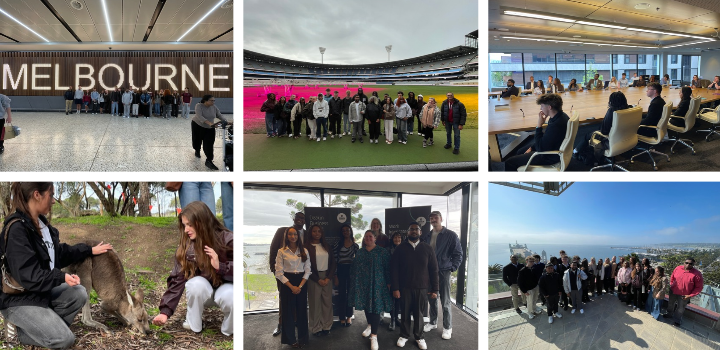
UEA students experience real-world business challenges in Australia
Students at the University of East Anglia have been given the chance to gain valuable international experience in real-world business challenges through a skills boosting programme in Australia.
Read more
Social media ban needs serious investment and support, UEA expert says
A social media ban for young people needs serious investment in support systems, not just a start date – according to a social media and education expert at the University of East Anglia.
Read more
UEA subjects among UK best in student-focused league tables
The University of East Anglia has climbed to the top of a new league table for a variety of subjects – with Norwich named the nation's leading university city.
Read more