Five UEA professors named in annual Highly Cited Research list for 2024
By: Communications
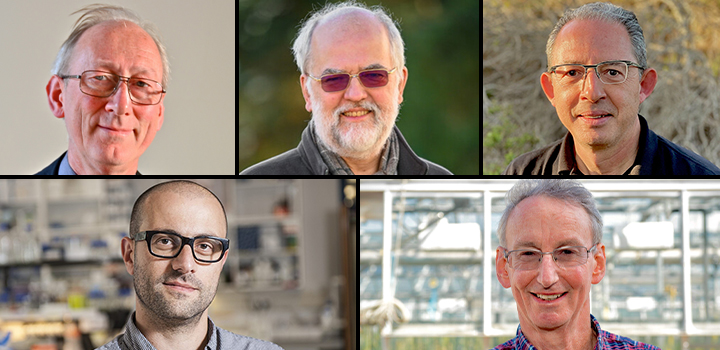
Five UEA professors have been named in the annual Highly Cited Researchers list for 2024, which celebrates some of the most influential researchers in the world today.
The Clarivate Web of Science Group list represents those researchers ranking in the top 1% by citations for their specific fields of expertise.
The citation analysis identifies influential researchers that is determined by their peers around the globe. Being highly cited in a particular research field is earned by delivering high quality research throughout a researcher’s career.
The UK has the third largest amount of citations worldwide, behind China and USA, with 563 (8.2%) researchers listed. The appearance of five researchers from the University of East Anglia on the list is a measure of the exceptional impact that scientists based at the University are making globally.
Congratulations to the five UEA researchers named on the list. They are:
Professor Paul Hunter – Norwich Medical School at UEA, for medical research.
Professor Jonathan Jones – The Sainsbury Laboratory and UEA's School of Biology, for plant science research.
Professor Sophien Kamoun – The Sainsbury Laboratory and UEA’s School of Biology, for plant and animal science research.
Professor David Livermore – Norwich Medical School at UEA, for medical research.
Professor Cyril Zipfel – The Sainsbury Laboratory, for plant and animal science research
The methodology that determines the “who’s who” of influential researchers draws on the data and analysis performed by bibliometric experts from the Institute for Scientific Information at the Web of Science Group.
The full 2024 Highly Cited Researchers list and executive summary can be found above.
Related Articles
UEA among global elite for research collaboration
The University of East Anglia has been recognised as one of the best in the world for research collaboration in a major new ranking.
Read more
How sex can help save species from extinction
Giving females multiple males to mate with, rather than just one, could help make species more resistant to extinction – University of East Anglia research shows.
Read more
UEA scientists develop ‘first of its kind’ home fertility test as global sperm counts plummet
University of East Anglia scientists have developed the first rapid at-home sperm test paired with a mobile app for personalised fertility advice.
Read more