Chris Packham visits UEA for Norfolk Wildlife Trust event
By: Communications
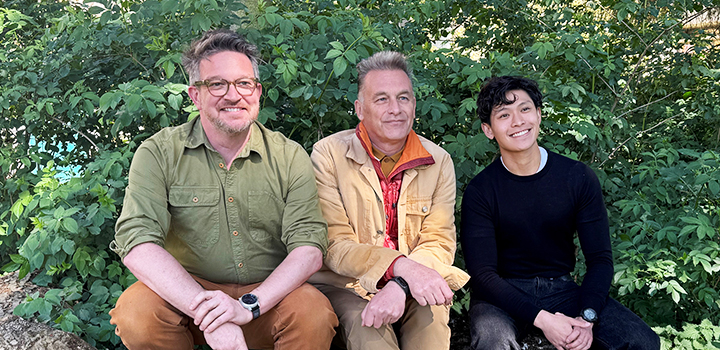
Broadcaster and naturalist Chris Packham visited UEA this week for an event held to celebrate 100 years of Norfolk Wildlife Trust.
The ‘Wild Norfolk’ event, held on Wednesday 22 April, brought together students, staff and the public to explore how nature survives and adapts in shared spaces, focusing on conservation, environmental responsibility and community engagement.
UEA’s grounds, home to woodland habitats, open green spaces and meandering waterways, provided the backdrop for discussions about biodiversity and the role of shared landscapes in supporting wildlife.
During the visit, Chris and members of Norfolk Wildlife Trust’s Youth Panel were shown some of the University’s biodiversity hotspots by Community and Biodiversity Coordinator, Nadia El‑Fakhri. The tour highlighted how the campus balances its role as a place of study and research while protecting and enhancing habitats for wildlife.
Prof Ben Garrod, professor of Evolutionary Biology and Science Engagement and Associate Pro‑Vice‑Chancellor (Civic), also had the opportunity to sit down for an outdoor conversation with Chris, alongside UEA graduate Dr Gab Astorga.
When asked for one thing on campus that students shouldn’t miss, Chris spoke about the importance of taking time to connect with nature.
He said: “They shouldn’t miss taking some time out from their busy schedules, whether that’s socialising or studying, to come out here and just sit in nature.
“You’re very fortunate to have spaces like this. Even this little glade here, with these mature pine trees and birds singing, it’s a place where you can properly take a break.
“We know that being in nature, being in green spaces, and listening to birdsong is a great way of inducing calm and reducing anxiety. So just take ten minutes a day to come out here and soak it up. Do a little bit of forest bathing. You’ll go back into your lectures in a better frame of mind and in a better place to make progress.”
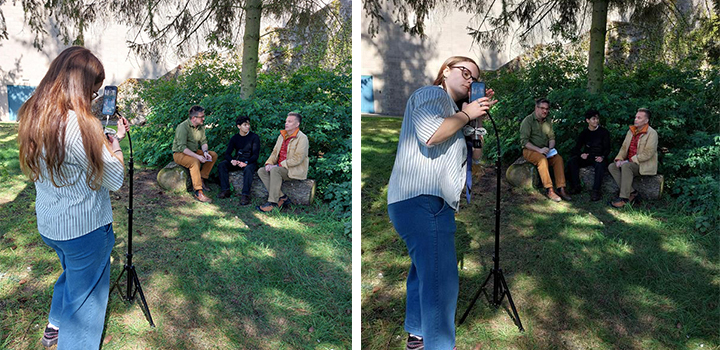
Image: Communications Assistant, Beth Spencer preparing to film the interview with Prof Ben Garrod, Chris Packham, and Dr Gab Astora.
As the evening drew in, Chris delivered a talk about his conservation work and personal experiences of exploring wild Norfolk. The lecture was hosted by journalist and Norfolk Wildlife Trust President Patrick Barkham.
Following the talk, guests had the opportunity to put their questions to Chris before a book‑signing session.
Reflecting on the evening, Prof Garrod described the event as “engaging, funny, and at times poignant and moving”.
“Chris is someone many of us have grown up with, both as a presence on our screens and a strong advocate for our habitats and species,” he said.
“Having him on campus and engaging with people provided an ideal civic link between UEA and the wider community and helped strengthen our relationship with Norfolk Wildlife Trust in their 100th anniversary year.
“As ever, Chris helped us engage with the natural world, at a time when we all need to think more about biodiversity loss, climate change and species conservation.”
The event also showcased UEA’s ongoing commitment to sustainability and environmental research. The campus is widely used as a living laboratory, supporting teaching and research across ecology, climate science and conservation, while remaining accessible to the wider community.
Natalie Bailey, Norfolk Wildlife Trust Director of Engagement, said: "We would like to extend huge thanks to UEA for hosting our centenary celebration with Chris Packham - it was an unforgettable night. Welcoming Chris to mark such a significant milestone for us brought a real sense of inspiration and urgency to the occasion.
"What made the event especially memorable was the involvement of our Youth Forum members who had a once in a lifetime opportunity to interview Chris on stage. Their voices, along with the shared enthusiasm in the room, made it such a special evening and left us all feeling motivated to do even more for Norfolk's wildlife and hopeful for the future."
The Wild Norfolk event was led by Norfolk Wildlife Trust, with UEA providing staff and spaces to welcome guests. The collaboration follows the 2025 Memorandum of Understanding, in which UEA and Norfolk Wildlife Trust formally recognised a shared vision for nature and society.
Related Articles
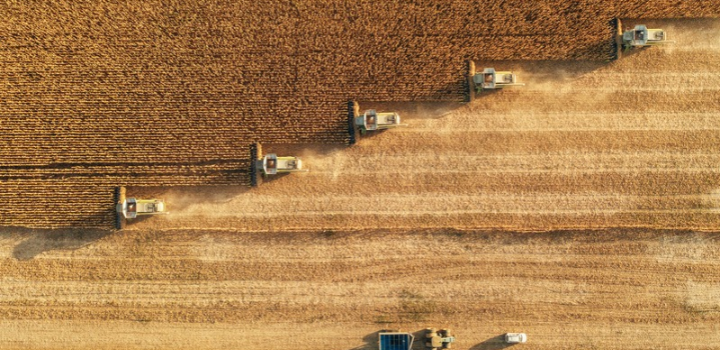
UEA expert welcomes measures to prepare for disruption to essential services
A food systems expert at the University of East Anglia has welcomed suggestions by Secretary of State for Defence Wes Streeting that members of the public and businesses should consider how they would cope if there were disruptions to essential services.
Read more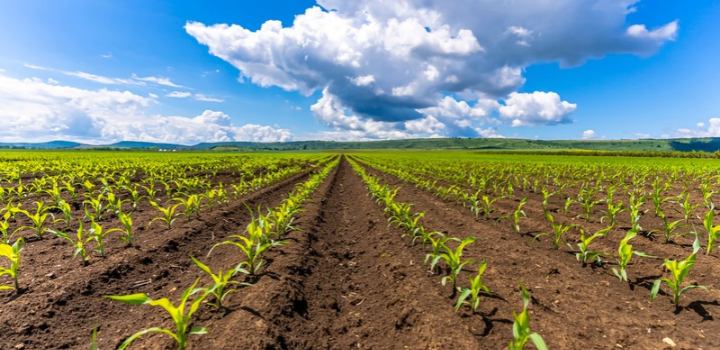
Climate change and security threats leave UK food supply at risk, expert warns MPs
The UK must move beyond prioritising efficient and low-cost food supply chains and build resilience for an era of increasing disruption, according to an expert at the University of East Anglia.
Read more
Scientists reaffirm ‘incontrovertible’ evidence of human influence on climate
The scientific evidence for human-caused global warming is stronger than ever, according to a major new review – despite a United States government report questioning the science.
Read more