UEA’s grant and funding success – February 2026
By: Communications

Decoding the Role of YAP1 in Hematoendothelial Progenitor Mechanobiology During Early Cardiovascular Development
UEA project leads: Dr Gi Fay (Geoff) Mok as PI; Prof Andrea Münsterberg as Co-I
Dr Gi Fay (Geoff) Mok and Prof Andrea Münsterberg (both in BIO) have been awarded a grant from the British Heart Foundation (BHF) for a Discovery Research PhD studentship totalling £134,290.07.
The project includes a named student, Lauren Jay, and is titled “Decoding the Role of YAP1 in Hematoendothelial Progenitor Mechanobiology During Early Cardiovascular Development”.
They will be using novel CRISPR-based genome-editing approaches in chick embryos, high-resolution live imaging, and extra-cellular matrix manipulation to investigate mechanotransduction during early cardiovascular development.
This research will provide new insight into how mechanical cues shape early vascular development and may uncover mechanisms relevant to congenital cardiovascular disease.
Amplifying Indigenous LGBTQIA+ voices through arts and education
UEA project lead: Dr Paulo Pires Pepe
Partners: Indigenous collaborators from the Pankararu and Tupinambá communities, northeastern Brazil
Dr Paulo Pires Pepe, based in the Interdisciplinary Institute for the Humanities, has been awarded £4,591 from the British Academy Early Career Researcher Network Seed Fund (21% success rate) to lead ORIGEM, an arts-based research project with Indigenous LGBTQIA+ communities in northeastern Brazil.
Working with Pankararu and Tupinambá collaborators, the project will co-produce and bilingually subtitle a documentary centring Indigenous queer voices, cultural memory and creative practice.
By developing participatory filmmaking as collaborative research, ORIGEM strengthens long-term international partnerships and lays the groundwork for future educational, digital and community-facing initiatives.
Related Articles
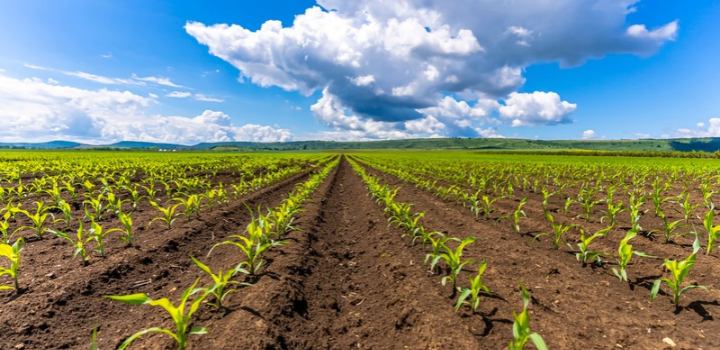
Climate change and security threats leave UK food supply at risk, expert warns MPs
The UK must move beyond prioritising efficient and low-cost food supply chains and build resilience for an era of increasing disruption, according to an expert at the University of East Anglia.
Read more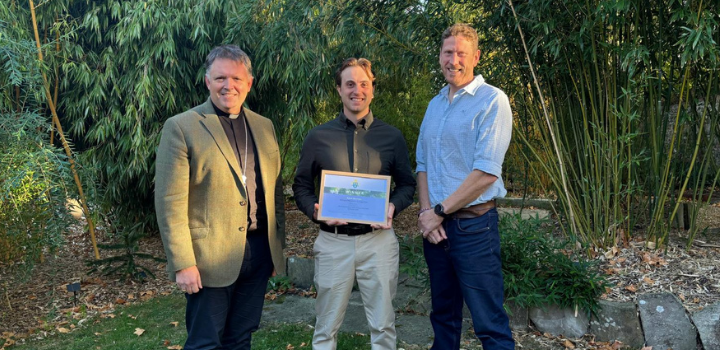
Annual Bishop of Norwich Prize for Ecology awarded to UEA graduate
University of East Anglia (UEA) master’s graduate, Adam Bourton, has won the 2026 prize for his conservation work with beach-nesting birds in North Norfolk.
Read more
A new way to study? UEA pilots AI tool to support revision and learning
UEA has launched a pilot with StudyStash, an AI-powered learning platform designed to help students make better use of their existing course materials.
Read more