Inside the animal kingdom: Experience a dissection live with Prof Ben Garrod and Dr Jess French
By: Communications
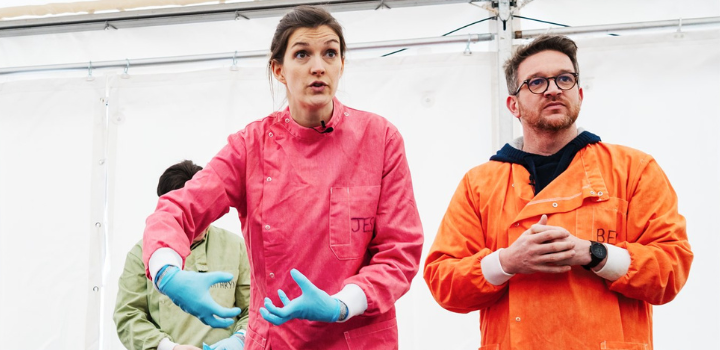
Join Prof Ben Garrod, UEA’s Professor of Evolutionary Biology and Science Engagement, and veterinary surgeon Dr Jess French at the Royal Institution (Ri) in April for an interactive look into animal biology.
Hosted on Saturday 11 April from 1-5pm, this is a unique opportunity for attendees to observe an animal dissection for one of nature's most iconic predators.
This is a theatre and livestream event, open to attendees of all ages.
During the event, Ben, Jess and their team will dissect the animal in Ri’s Theatre – explaining the anatomy as they go and revealing interesting facts this can tell us about our own human bodies.
Prof Garrod and Dr French are experienced in presenting this type of event to a younger audience, as well as adults. Attendees will be able to come and go as needed, if a break is required during the sessions.
Event details
Saturday 11 April:
- 1-2.30pm – Dissection Session 1
- 2.30-3.45pm – Interval with pop-up activities
- 3.45-5pm – Dissection Session 2
During the extended interval, attendees will have the opportunity to explore hands-on demonstrations and activities to learn even more about how animal biology works.
Disclaimer: The animal died of old age and has been donated for the purpose of education. The specific animal is subject to change.
More information can be found on the Royal Institution website.
Prof Ben Garrod
Ben Garrod is an evolutionary biologist, primate conservationist, and Professor of Evolutionary Biology and Science Engagement at UEA. He is also a broadcaster for television and radio and has written several books, covering a range of subjects from evolution and anatomy to animal behaviour and natural history.
Dr Jess French
Jess French is a vet, zoologist and naturalist who has been named one of Britain’s top 50 conservationists by BBC Wildlife magazine. She gained her degree in veterinary medicine and surgery from the University of Nottingham, and works with animals of many sizes. She presented her own TV series on CBeebies called Minibeast Adventure with Jess and has written several books for children.
Related Articles

Why choosing the next James Bond matters beyond cinema, according to UEA expert
Following World James Bond Day earlier this week, speculation is mounting over who will become the next James Bond, with names including Jack Lowden, Callum Turner and Aaron Taylor-Johnson linked to the iconic role.
Read more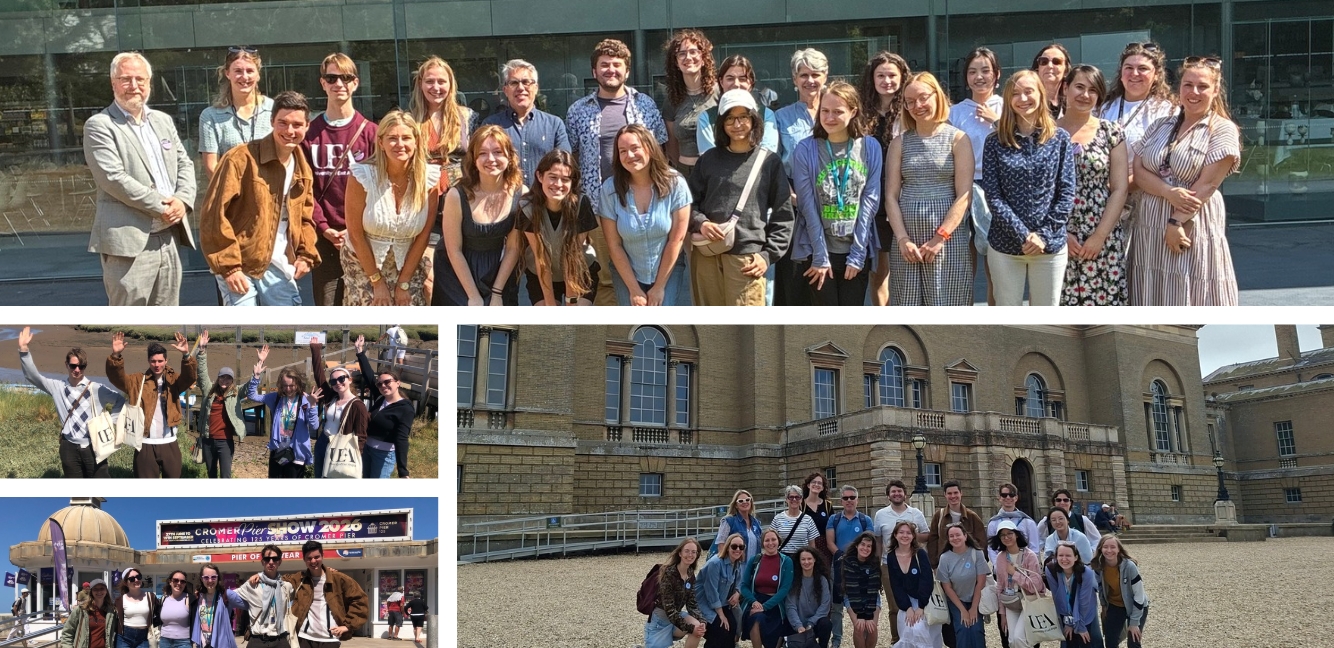
Applications open for UEA’s 2027 Creative Writing Summer School
Applications are now open for the 2027 Creative Writing Summer School at UEA, following the success of its inaugural programme this summer.
Read more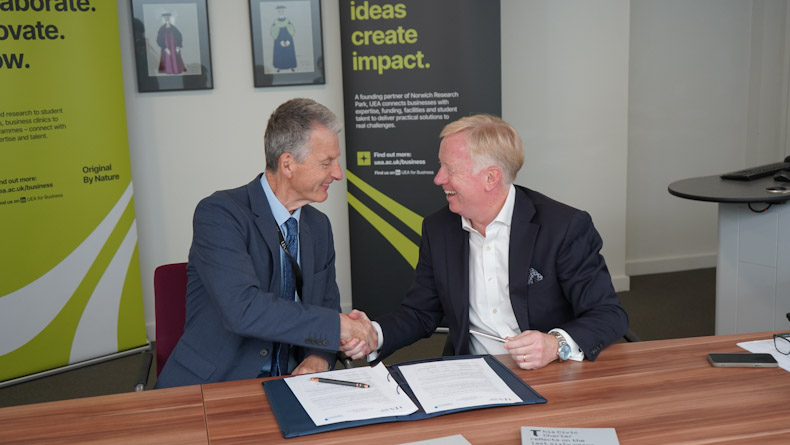
UEA and Anglian Water strengthen commitment to innovation, sustainability and regional impact
The University of East Anglia and Anglian Water are reaffirming their shared commitment to tackling some of the region's most pressing environmental challenges.
Read more