Graduation 2025: Monica Curran
By: Communications
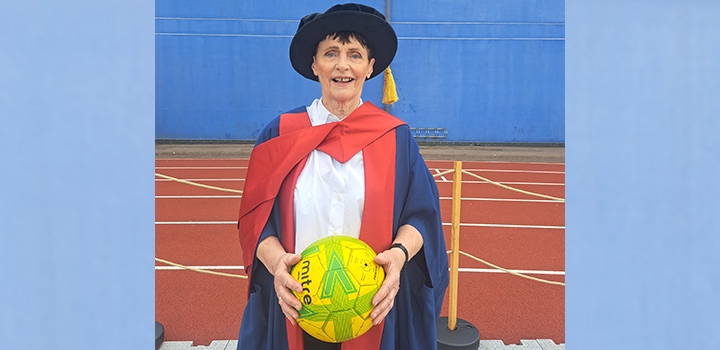
What does graduating this July mean to you?
It feels like getting recognition at last for so many people, women and girls like me who thought this was a different world away from them, but this has proved one way to get voices heard.
What inspired you to return to education after leaving school at 15?
School days had not been happy times for me as someone coming from Oldham’s backstreets. But I loved playing football most days in the street – just with the local lads.
I did many different factory shopfloor and market jobs. I also took up running. I did the first London Marathon, then I competed all over the UK. I really enjoyed muddy cross-country races.
All of this meant I talked to many different people about their lives. I ended up returning to study, doing Social Sciences at Master’s level.
What was the turning point that made you consider pursuing a PhD?
I worked for many years in universities, especially in care for older people, in Manchester, North Wales Bangor, Sheffield and Norwich.
I wanted to use my experience from all of my life, and in my research and thesis, to show how any ordinary person – even when they are seen as sick and old, or are lower-paid care workers – can tell us how they want to be seen in their lives. They can show us how they can always put their point of view powerfully.
What was your PhD research about, and why was it important to you personally?
It was important to me personally because I had so clearly seen what a difference it made being valued, confident and not just being put aside. This still too often happens if you are a girl or a woman with fewer resources.
When I heard so many powerful stories from people's lives in all the places I worked and researched, I really wanted to know more about how to make these count and be recognised. My thesis used discourse analysis from studies of people living and working with assistive technology projects in care to show this in-depth.
What were some of the biggest challenges you faced during your 13-year academic journey?
Wondering whether I would be able to pull it all together, in the ways I wanted to do the work and for the people involved. I also had some health issues where I needed to recover energies and confidence. My previous sports experience really helped me stick with it and rebuild.
Can you tell us more about the groundbreaking football team you were part of?
I joined the Manchester Corinthians women's football team in the early 1960s after reading in my local paper about their great achievements in South America. They carried on winning matches all over Europe and South America, yet they were banned from playing on FA grounds in the UK, which seemed ridiculous when we knew how good we were and that women had a right to this enjoyment, camaraderie and success.
The manager got sponsorship from the international Red Cross to play exhibition matches and to compete in many countries, where they were exceptional and we could play on official top league grounds, which was amazing to experience.
What was it like playing football during a time when women were banned from playing officially?
It was fantastic. It was an exceptionally well-organised team with the undying support of its manager, Percy Ashley, who never stopped fighting with the football authorities, advocating for girls and women to get real chances to be seen as excellent footballers.
How did your experiences in sport influence your confidence or decision to pursue higher education?
Experiencing how enjoyable it was to be active and to have all kinds of unusual experiences, build strength, make a difference and share stories about those experiences gave me insights – encouraging me to question, want to understand and challenge inequalities and explore what it could be like to work in a disciplined way to make this happen.
We’ve heard about you winning a World Veterans Road Running team title – could you share more about that experience?
I did the first London Marathon, not with proper training, but with friends or on my own. Then I joined a running club, Altrincham AC, where the coach (Peter Doherty) was very interested in supporting women, including veteran women, to compete.
I really enjoyed muddy cross-country races and team road running. We competed all over the UK and entered a team when the World Veterans Road Running Championships were held in the north of England, running two long distance road races across two days, finishing in Blackpool.
We were competing with teams from many countries, and it was exciting to see what you can do – again as older women!
Is there a particular message you’d like to share with other women or older learners who might be inspired by your journey?
We need to listen properly to how people fight for respect, including when they talk – however they talk.
My thesis used discourse analysis from assistive technology projects in care to show this in-depth. We especially need to see that women can do all kinds of things at any age with whatever they can find to hand. So, this can be a special day for all of us.
Study with the School of Health Sciences
If you are looking to start university in September 2025 and still thinking about your options, consider joining a UK Top 25 university this September through Clearing.
Find out more about Clearing and view available courses
Related Articles
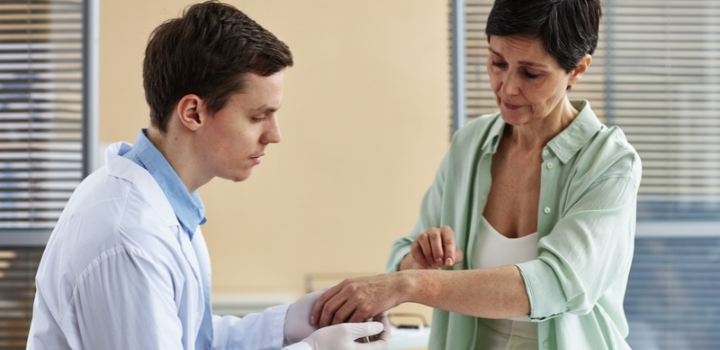
Stark male-female differences revealed in autoimmune diseases misdiagnosed as mental health conditions
Females with autoimmune diseases are more likely than males to report mental health misdiagnoses and face longer diagnostic delays, University of East Anglia and Cambridge research has found.
Read more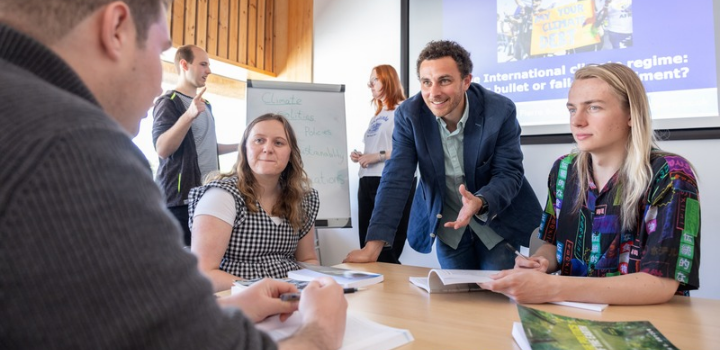
UEA subjects among UK best in student-focused league tables
The University of East Anglia has climbed to the top of a new league table for a variety of subjects – with Norwich named the nation's leading university city.
Read more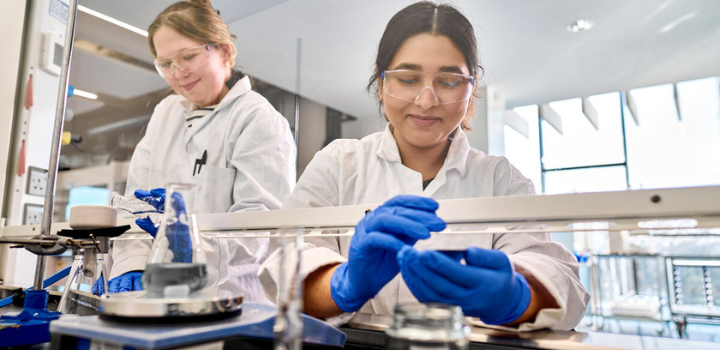
UEA secures share of £90 million to train next generation of medical researchers
The University of East Anglia will help train a new generation of researchers to tackle some of the biggest challenges facing human health – thanks to funding from the Medical Research Council (MRC).
Read more