Emeritus Professor honoured with prestigious Royal College of Occupational Therapists Fellowship
By: Communications
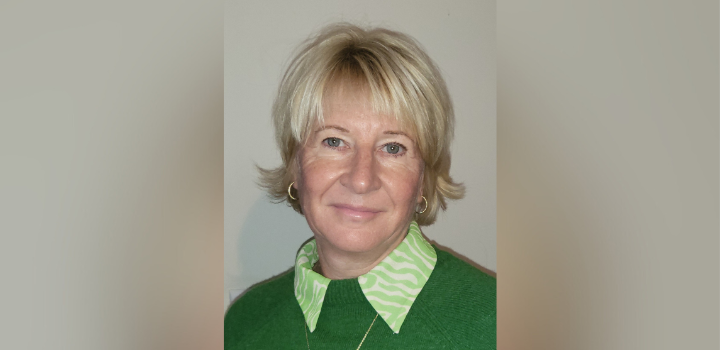
Prof Nicola Spalding, Emeritus Professor at the University of East Anglia (UEA), has been awarded a Fellowship by the Royal College of Occupational Therapists (RCOT).
This Fellowship is the highest accolade awarded by the RCOT to its members, given in recognition of those who have made a significant impact on the profession and furthered the goals of the Royal College.
The award was presented to her in a ceremony on Thursday 5 March at Fishmongers Hall in London. Nominated by colleagues at UEA, Nicola was praised as an “exceptional leader, mentor and role model whose legacy will continue to shape the profession for years to come”.
Charmaine Chandler, Associate Professor in Occupational Therapy at UEA, said: “It was an easy decision for us in the UEA Occupational Therapy team to nominate Nicola for a RCOT Fellowship Award. Very few Occupational Therapists within the UK will not have been influenced or impacted by the work of Nicola in some shape or form.
“She has occupational therapy running through her veins and is an inspirational occupational therapy role model to us all.”
Nicola Spalding
Prof Spalding joined UEA in 1995 after 9 years of clinical practice in the NHS, serving first as a lecturer and then as Professor of Occupational Therapy until 2023. During this time, she completed both a master's degree and a Doctorate in Education (EdD) at the University.
She also undertook several different leadership roles, including the Professional Lead for Occupational Therapy during the final six years of her time at the University, and was awarded a UEA Teaching Excellence Award in 2010 – after being nominated by her students.
Related Articles

From clinical trials to cancer care – UEA showcases pharmacy innovations transforming the NHS
Researchers, healthcare professionals and sector leaders from across the UK will come together in London later this month to showcase new approaches to improve patient care, strengthen the NHS workforce and accelerate research.
Read more
UEA subjects among UK best in student-focused league tables
The University of East Anglia has climbed to the top of a new league table for a variety of subjects – with Norwich named the nation's leading university city.
Read more
ADHD diagnosis gap for girls from immigrant backgrounds
Girls from multilingual and immigrant families could be missing out on ADHD support – according to new research from the University of East Anglia.
Read more