Ban on plastic wet wipes welcome but ‘biodegradable’ ones could still be harmful
By: Communications
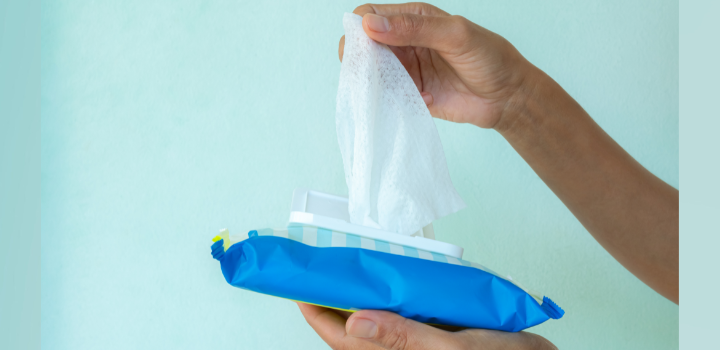
A ban on wet wipes containing plastic is a “step forward” but there are still potential problems with ‘biodegradable’ wipes, according to a researcher from the University of East Anglia.
The ban, which will come into force in England in Spring 2027, was signed into law today.
Daniel Jolly, a postgraduate researcher and associate tutor in UEA’s School of Environmental Sciences, said the impacts that biodegradable non-plastic wipes may have are not yet fully understood.
Mr Jolly specialises in understanding the impacts of biodegradable plastics on ecosystem function and structure. In particular, his work examines wet wipes and microfibers, and the dangers they may pose to our rivers and oceans, focusing on the wipes as a whole, how they break down in waterways and the ecological impacts this could have.
He said: “The ban on plastics in single use wet wipes is a welcome step forward by the government to tackle plastic pollution in our waterways.
“With an estimated 11 billion wet wipes used annually in the UK and two in five being plastic, these products have had a detrimental effect on aquatic environments.
“However, while this is a step forward, we do not yet fully understand the degradation behaviour or ecological impacts biodegradable non-plastic wipes may have.
“There is emerging evidence of biodegradable wipes lasting for weeks and months in natural conditions, in conjunction with studies suggesting that non-plastic microfibers can cause harm to organisms that may encounter them. However, this is still very early days and the safest thing to do with wipes is just not flush.”
Mr Jolly previously wrote a piece for The Conversation on why some biodegradable wet wipes can still be bad for the environment.
He is a student on the ARIES (Advanced Research and Innovation in the Environmental Sciences) Doctoral Training Programme, funded by UKRI’s Natural Environment Research Council, and part of a team of scientists from UEA, the University of Essex, Anglia Ruskin University, and Centre for Environment, Fisheries and Aquaculture Science (Cefas).
Related Articles
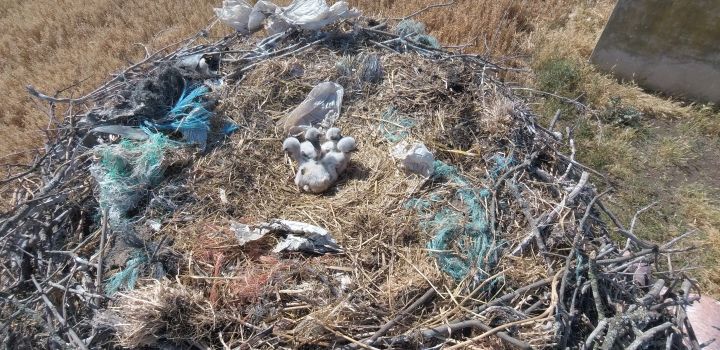
Study reveals a plastic ‘death trap’ in birds’ nests
New research reveals the impact of discarded plastic materials on young birds – with chicks dying after becoming entangled in synthetic fibres used to build their nests.
Read more
UEA research confirms microplastics in bottled water
Microplastics can be found in bottled water from around the world according to a major new study using methodology developed by researchers from the University of East Anglia.
Read more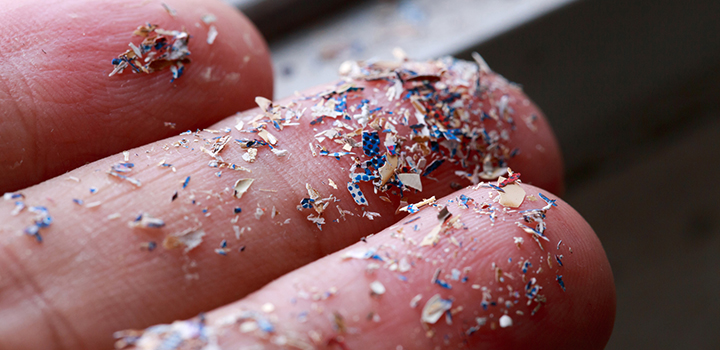
How microplastics in the air are polluting the most remote places on earth
Microplastics are being transported to some of the most remote places on earth by the wind, according to new research involving the University of East Anglia.
Read more